
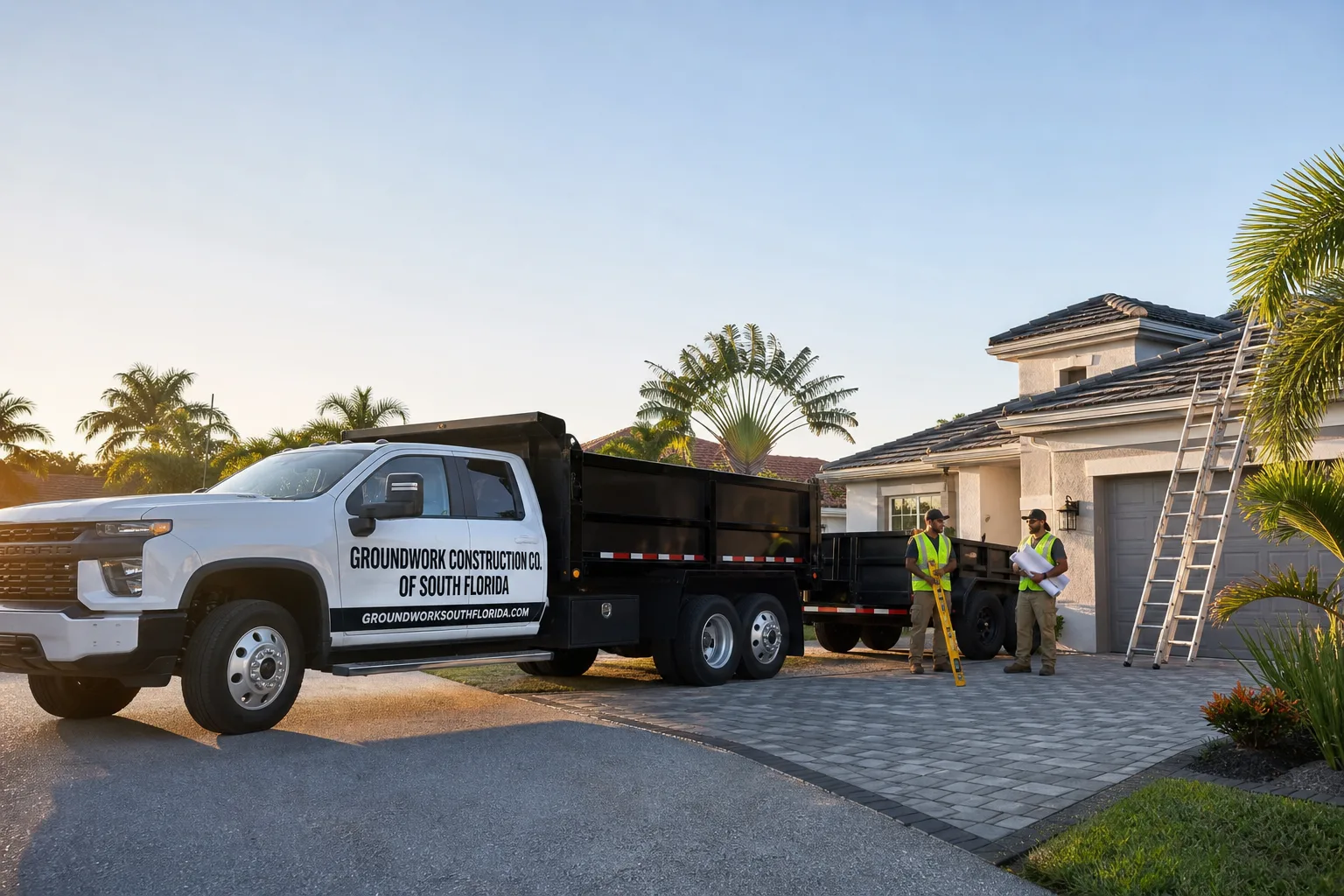
Fast, Reliable Roofing Across Lake Lucerne
Roof replacement in Lake Lucerne, FL typically runs $8,000-$20,000, while most repairs fall between $400-$1,800. Because Lake Lucerne sits inside Miami-Dade County’s High Velocity Hurricane Zone, every shingle, membrane, and fastener on your roof must carry a Miami-Dade Notice of Acceptance (NOA) - a requirement that standard Broward County materials simply won’t satisfy. We’re Roofing specialists who source exclusively from the county-approved product list, and we respond to Lake Lucerne calls within the same day. Call (844) 665-0162 for a free estimate.
Our crews know the 33056 corridor well - the flat-roofed CBS homes built during Miami-Dade’s 1960s-1970s expansion, the afternoon thunderstorms that roll through from May to October, and the permitting complexity that catches out-of-county contractors off guard. We’ve worked on roofs near Scott Lake Road and throughout the surrounding blocks enough times to know which inspector will flag a parapet detail and which TPO membrane brand carries the NOA you need.
Why Groundwork Construction Co. of Miami Is Lake Lucerne’s Preferred Roofing Company
We’ve earned our reputation in Lake Lucerne by treating every roof as a storm-resilience project first and a cosmetic upgrade second. Homeowners here don’t have the luxury of hoping a roof holds; the next tropical system is always weeks away, not years.
Our Lake Lucerne customers consistently mention two things in feedback: that we showed up when we said we would, and that we explained the NOA process without talking down to them. We carry NOA documentation for every material we propose, so there’s no last-minute scramble when the county inspector arrives.
Response time matters in a six-month wet season. We typically reach Lake Lucerne properties within two hours of initial contact for urgent leaks or storm damage, and we schedule non-emergency inspections within 48 hours. That speed comes from keeping our operations centered in Miami with dedicated Miami-Dade material staging.
Raymond Estevez built Groundwork on the principle that homeowners deserve to understand what they’re buying. In Lake Lucerne, that means walking you through exactly why your 1970s flat roof needs different drainage than a modern pitched system, and why the underlayment your neighbor used in Broward won’t pass inspection here.
Our Roofing Services in Lake Lucerne
Roof Repair
Most Lake Lucerne roof repairs we handle run $400-$1,800 and address the specific failure modes of older CBS construction. Cracked parapet copings, failed scupper drains, and membrane punctures from decades of foot traffic are routine on 33056 homes. We don’t just patch the visible leak; we trace water intrusion paths through block walls, because in these structures the damage often hides six feet from where it shows inside. Our repair estimates include NOA-compliant materials only - no substitutions that risk a stop-work order mid-project.
Roof Replacement & Installation
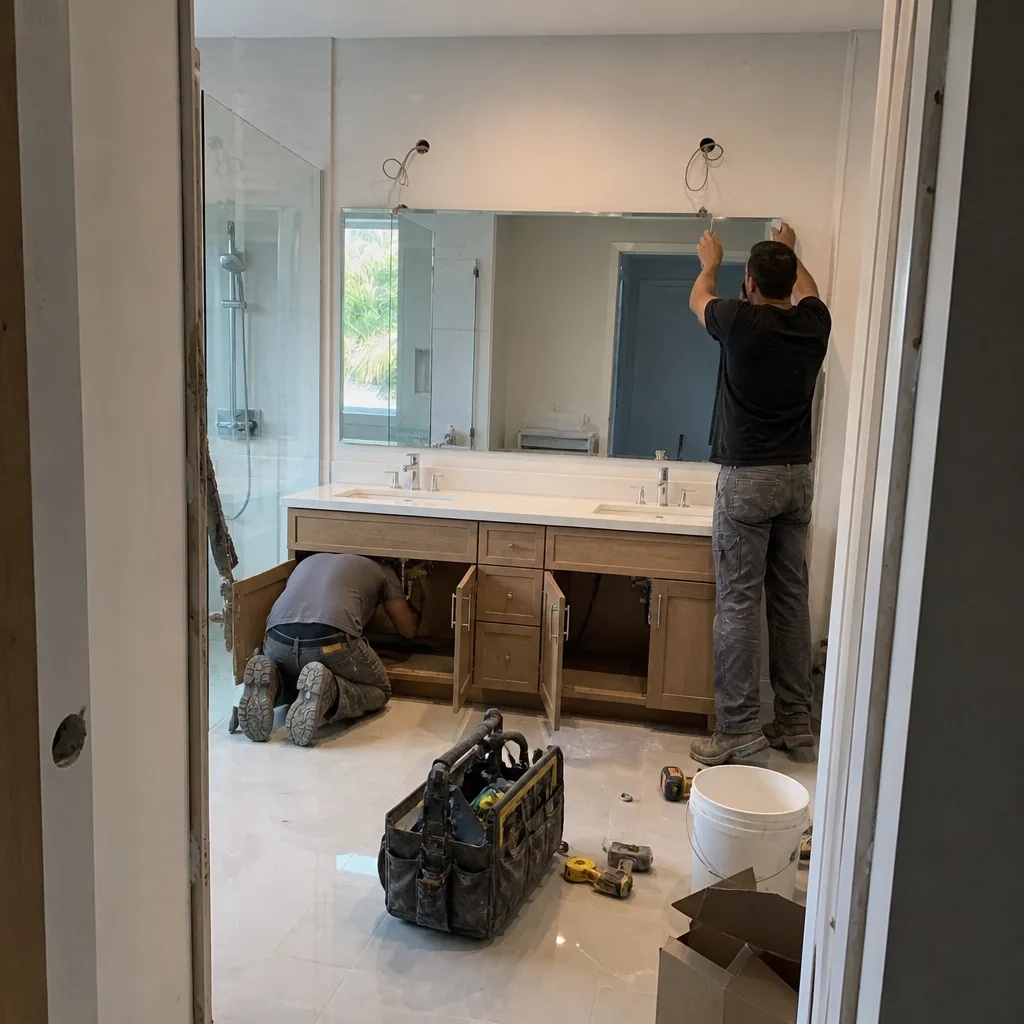
A full roof replacement in Lake Lucerne costs $8,000-$20,000 depending on square footage, decking condition, and whether we’re converting a flat roof to a sloped system or staying with low-slope membrane. Every replacement we quote includes hurricane strapping upgrades where the original 1960s-70s construction lacks them, and impact-rated edge metal that meets current HVHZ standards. We work with GAF, CertainTeed, Owens Corning, IKO, Atlas, Tamko, and Boral - each with NOA-approved products for this jurisdiction - so you choose the brand and warranty tier, not us.
Metal Roofing
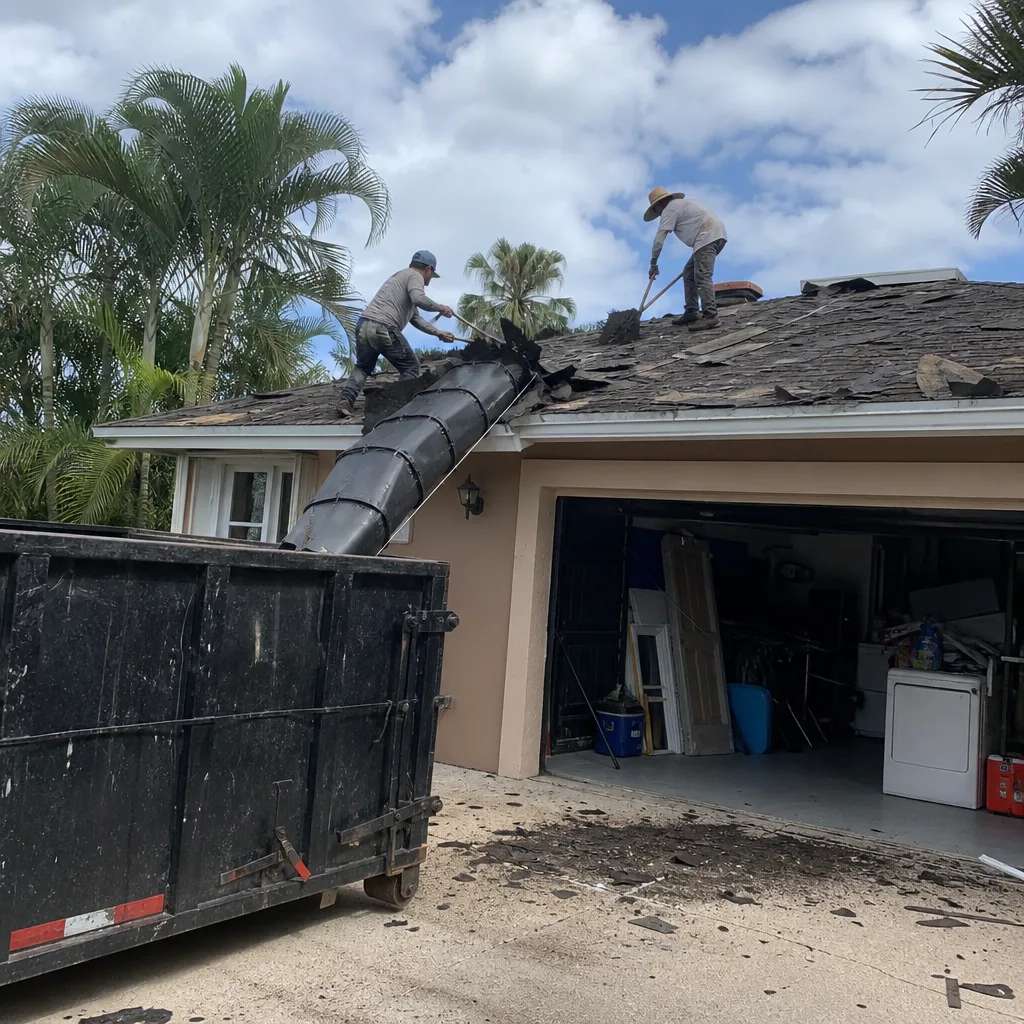
Standing seam metal roofs are gaining traction in Lake Lucerne for their wind-uplift resistance and longevity, though they require precise installation to meet Miami-Dade’s HVHZ requirements. We source NOA-approved panels and fastening systems, and we pay particular attention to the transition details where metal meets parapet walls on older CBS homes. Metal isn’t right for every 33056 property - some flat-roofed structures simply don’t have the structural pitch - but where it works, it eliminates the ponding and scupper-dependency issues that plague membrane systems.
Tile Roofing
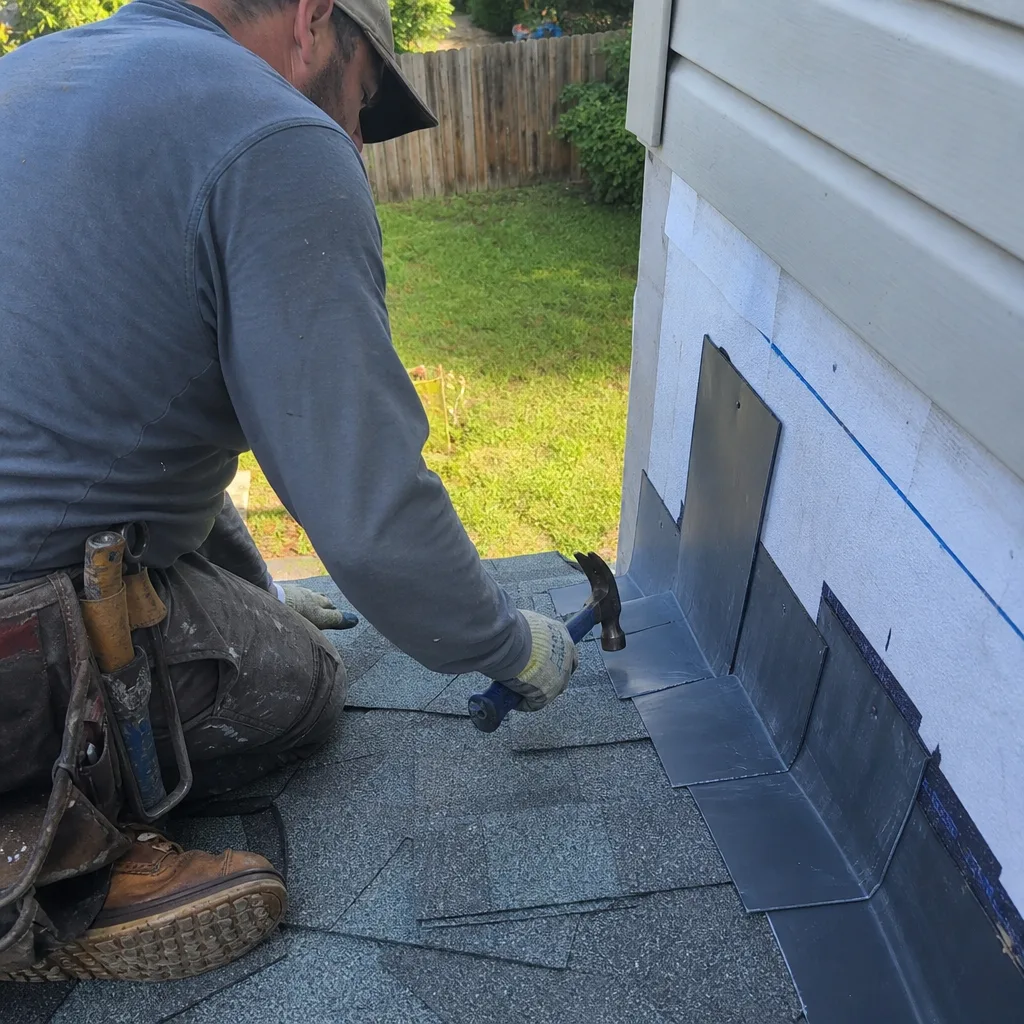
Barrel tile and other clay or concrete tile systems offer excellent durability in Lake Lucerne’s climate, but they demand proper underlayment and fastening to survive HVHZ wind loads. We see too many tile roofs in the area with deteriorated felt beneath intact tiles, a hidden failure that only reveals itself when wind-driven rain finds the gap. Our tile installations use NOA-approved underlayment specifically rated for Miami-Dade exposure, with fastening patterns that exceed minimum code where the original structure allows.
Emergency & Storm Damage
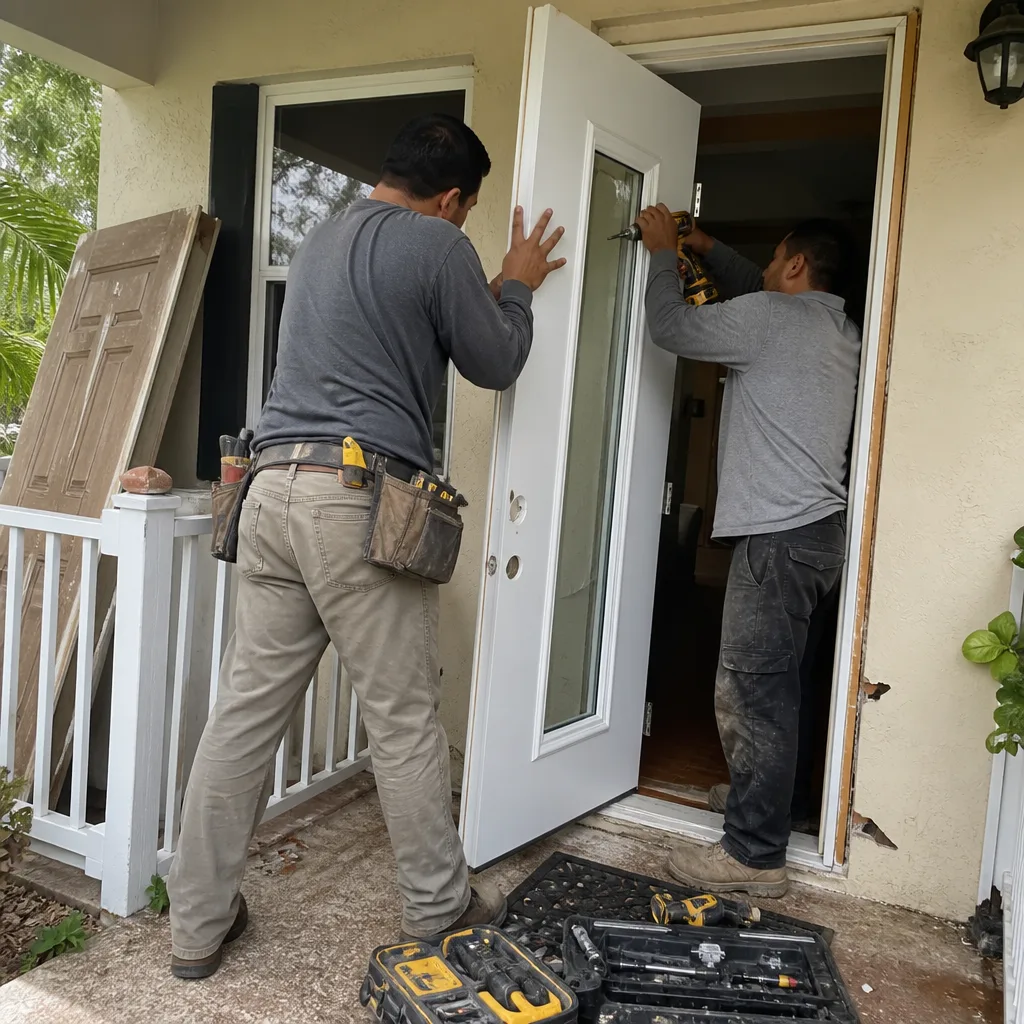
When tropical weather hits Lake Lucerne, we prioritize emergency tarping and temporary weatherproofing to prevent interior damage while permanent repairs wait for insurance assessment. Our crews carry pre-cut NOA-compliant membrane patches and mechanical fasteners so we’re not scrambling for approved materials while water pours through your ceiling. After Hurricane Irma, we replaced a flat CBS roof on a 1970s Lake Lucerne home near the 33056 corridor, swapping out a failing modified bitumen membrane for an NOA-approved TPO system with reinforced scuppers. The old roof had pulled away from the parapet, allowing water to seep into the block walls, so we also added a secondary drainage layer and hurricane straps to meet current HVHZ code.
Flat Roof Repair
Flat and low-slope roofing dominates Lake Lucerne’s older housing stock, and these systems fail differently than pitched roofs. Ponding from inadequate scupper drainage degrades TPO and modified bitumen from the inside out, while UV exposure embrittles seams that were never designed for 35 years of Miami sun. Our flat roof repairs address the drainage first, then the membrane - because a new membrane on a poorly drained deck is money thrown away.
What happens when you call
- 1
A real person answersNo phone trees - you reach a local pro.
- 2
You get an upfront price rangeHonest numbers before anyone is dispatched.
- 3
A background-checked tech heads outLicensed & insured, dispatched right away.
- 4
You approve before work beginsNothing starts until you say go.
Trusted Brands We Service in Lake Lucerne
We maintain active supplier relationships for GAF, CertainTeed, Owens Corning, IKO, Atlas, Tamko, and Boral - seven roofing manufacturers with extensive NOA-approved product lines for Miami-Dade’s HVHZ. That breadth matters because no single brand covers every application; a TPO membrane that works brilliantly on a commercial flat roof may not be the right choice for your residential parapet detail, and some tile underlayment systems perform better on older CBS decking than others. We stock common repair materials locally for 33056 calls, which means faster turnaround on urgent leaks without waiting for Broward County supply houses to deliver the wrong product. You choose the brand that fits your budget and performance goals; we handle the NOA verification and installation. That’s the “you choose the brand, we handle the build” approach Raymond Estevez established from day one.
Common Roofing Problems We See in Lake Lucerne Homes
- Ponding and scupper failure on flat roofs. Old flat roofs on 1960s-70s CBS homes lack proper scupper drainage, causing ponding and eventual membrane failure during the 60+ inches of annual rain. We regularly find three inches of standing water on roofs that appear fine from the street, with algae and root growth already compromising the membrane.
- Non-compliant materials from out-of-county suppliers. Unapproved underlayment or flashing materials from Broward County supply houses trigger instant Miami-Dade stop-work orders, leaving roofs half-torn off during hurricane season. We verify every component against the current NOA list before it reaches your property.
- Missing hurricane strapping and edge metal. Without impact-rated edge metal and proper strapping, wind uplift peels back membrane edges during even moderate tropical storms. Many Lake Lucerne homes were built before current HVHZ standards, so we treat strapping upgrades as standard on any replacement, not an optional add-on.
- Parapet coping deterioration. Cracked or unsealed parapet copings let water wick into block walls, rotting structural wood and staining interiors long before the roof visibly leaks. This is the most common “mystery leak” we diagnose in 33056 - the roof membrane is intact, but the wall is saturated.
Pricing for Roofing in Lake Lucerne, FL
| Service | Typical Range in Lake Lucerne |
|---|---|
| Roof Repair | $400-$1,800 |
| Roof Replacement | $8,000-$20,000 |
| Metal Roof Installation | $15,000-$40,000 |
| Tile Roof Repair | $600-$2,500 |
These ranges reflect Miami-Dade’s HVHZ material premiums and the specialized labor required for NOA-compliant installation. A roof replacement on a 1,800-square-foot CBS home with flat-to-low-slope geometry typically falls in the $10,000-$14,000 range, while complex jobs with decking replacement or structural strapping upgrades approach the upper bound. We don’t quote by square footage alone; every Lake Lucerne estimate includes a full deck inspection, drainage assessment, and permit feasibility review. Call (844) 665-0162 - estimates are free, and we’ll walk you through exactly what your property needs.
We Also Serve Cities Near Lake Lucerne
Our Roofing in Lake Lucerne crews regularly work in Carol City, Miami Gardens, Scott Lake, and Opa Locka - all within the same HVHZ regulatory framework, all with similar CBS housing stock and flat-roof prevalence. The same NOA requirements, the same inspector protocols, the same afternoon thunderstorm interruptions. Whether you’re on the Lake Lucerne side of the line or in one of these neighboring communities, you get the same material verification and code-compliance rigor.
Serving Lake Lucerne, FL - Our Local Coverage Area
We’re based in the Lake Lucerne area and know this community well. Use the map below to see our service coverage - if you’re nearby, we can almost certainly help.
FAQs - Roofing in Lake Lucerne
An NOA is a product-specific approval issued by Miami-Dade County verifying that a roofing material or system has passed HVHZ wind and impact testing. For your Lake Lucerne roof, it matters because county inspectors will issue an immediate stop-work order if they find unapproved materials, even if those materials are legal in Broward or Palm Beach counties just miles away. We verify NOA status for every component before it reaches your property. Call (844) 665-0162 if you want us to check whether your current repair quote uses compliant materials.
Standing water more than 48 hours after rain, soft spots near drains or scuppers, and interior stains on ceiling corners where block walls meet the roofline are all urgent warning signs. The shallow Miami Limestone bedrock in this area also means settling can crack parapet flashings that were already marginal. We recommend a pre-season inspection in March or April, before the May-October wet season compresses scheduling and turns minor repairs into emergency tarping jobs.
Sometimes, but only if the existing material carries a current NOA and the damaged area is isolated. Most 1970s flat roof membranes in Lake Lucerne are past their service life, and patching new material to old often creates a seam that fails within two years. We’ll give you an honest assessment - if a patch makes sense, we’ll do it; if you’re throwing good money at a system that needs replacement, we’ll show you why. Call (844) 665-0162 for that evaluation - estimates are free.
Because Lake Lucerne falls within the HVHZ, your roofing permit triggers mandatory third-party inspection and requires documentation proving every material’s NOA status - steps that don’t apply in standard wind zones. The permit scope also expands if we discover missing hurricane strapping or undersized decking during tear-off, since current code requires bringing those elements up to standard before the roof cover goes on. We handle all permit submission and inspector coordination as part of our project management.
A repair addresses localized damage - a punctured membrane section, a failed scupper, a cracked parapet coping - while leaving the existing drainage structure and most of the roof deck intact. A replacement becomes necessary when the membrane is degraded across the field, the insulation below is moisture-compromised, or the drainage system is fundamentally inadequate for current rainfall intensity. On older CBS homes, we often find that “simple” repairs reveal deeper issues: saturated perlite insulation, corroded fasteners, or decking deflection from decades of ponding. We’ll show you photos and explain exactly what we’re seeing before you commit to either path.
Written by Raymond Estevez, Owner at Groundwork Construction Co. of Miami, serving Lake Lucerne and the broader Miami-Dade HVHZ.