
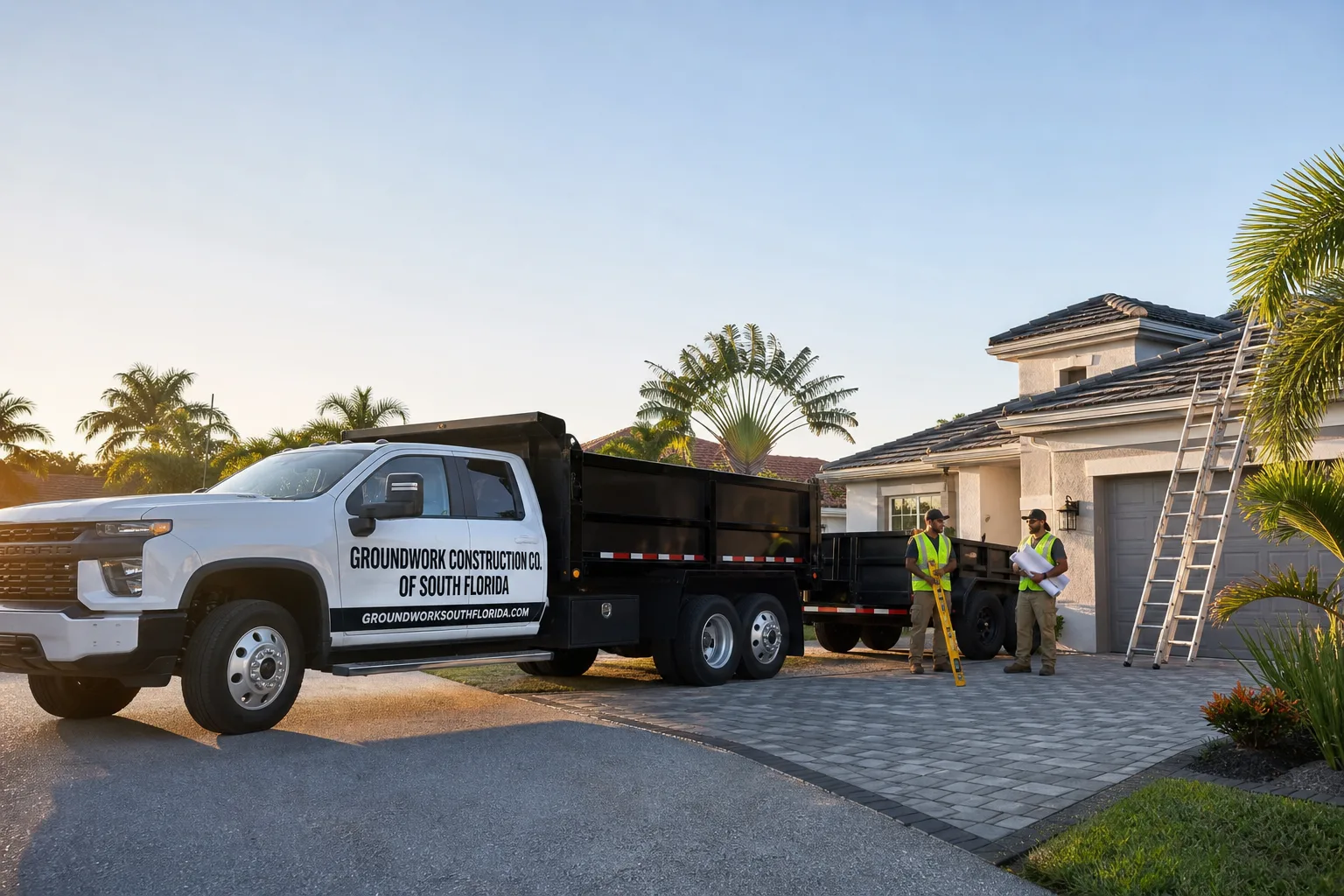
Iron Fence Installation in Miami Springs: Timeline, Permits, and Cost
An iron fence installation in Miami Springs typically runs $3,500-$9,000 for residential properties, with most projects completed in 3-5 business days after permit approval. Because Miami Springs sits directly under MIA flight paths, any fence exceeding certain heights triggers FAA airspace review alongside standard Miami-Dade permitting, adding a unique regulatory step most neighboring cities don’t require. Call (844) 665-0162 to schedule a free on-site estimate and we’ll confirm whether your specific property and fence height need federal coordination.
How We Build an Iron Fence in Miami Springs, Step by Step
We’ve installed iron fencing across Miami Springs for years, from the 1920s Mediterranean Revival homes near Curtiss Parkway to the mid-century ranches on the outer grid. Every job follows the same sequence, though the timeline stretches or compresses based on that FAA airspace question and how quickly Miami-Dade Building Department releases permits.
Day 1: Site measure and footing layout. We arrive with a surveyor’s eye. Our crew marks post locations, checks for underground utilities, and confirms property lines against your survey. On older Miami Springs homes, we’re especially watchful for shallow irrigation lines and the original clay sewer laterals that haven’t been replaced. You’ll decide at this stage whether you want ornamental finials, scrollwork, or a flat-top rail design. We photograph everything and send you the layout map before we break ground.
Days 2-3: Excavation and concrete pour. Post holes go 30-36 inches deep in Miami Springs, below the shallow water table and through the sandy loam that passes for soil here. We set posts in wet-mix concrete with hurricane-rated post brackets, not dry-pack or foam. The high water table means we sometimes hit groundwater; when that happens, we pump and pour same-day rather than letting the hole soften overnight. Posts cure 24-48 hours before we hang panels.
Day 4: Panel hang and weld. Iron panels get lifted, leveled, and MIG-welded to posts. We grind welds smooth, prime immediately with rust-inhibiting epoxy, and apply the first coat of your chosen finish. Gates get hung last, with self-closing hinges and mag-latch hardware if you’ve got a pool. You’ll do a walkthrough with our foreman to confirm gate swing direction and latch height.
Day 5: Finish coat and hardware set. The second finish coat goes on, hardware gets torqued to spec, and we clean the site. If your fence required FAA coordination, we hold final inspection until Miami-Dade confirms the airspace clearance documentation is on file. Most iron fence jobs don’t trigger this, but when they do, it’s a hard stop. We never skip it.
Inspection and closeout. Miami-Dade Building Department inspects post depth, concrete coverage, and gate safety hardware. We handle the scheduling and meet the inspector on-site. You’ll receive permit closure documents and our workmanship warranty details before we invoice final payment.
The Iron Fence Options You’ll Actually Choose Between
Iron fencing isn’t one product. The decisions you make in our showroom shift durability, maintenance, and the final look significantly. Here’s what Miami Springs homeowners typically weigh:
- Wrought iron vs. tubular steel. True wrought iron is hand-forged, heavier, and carries a premium price. Tubular steel is machine-formed, lighter, and more common for residential budgets. Both hold up fine in Miami Springs salt air if the finish is maintained, but wrought iron resists denting from lawn equipment and hurricane debris better.
- Panel height: 3-foot, 4-foot, or 6-foot. Three-foot ornamental fencing suits front-yard applications and preserves sightlines. Four-foot is the standard pool-enclosure height per Florida Building Code. Six-foot requires stepped-up wind-load engineering and, in Miami Springs, almost always triggers the FAA review we mentioned. We’ll tell you before you commit.
- Finish type: powder coat, wet-spray enamel, or galvanize-plus-paint. Powder coat is baked on, most durable against UV and salt, and comes in the widest color range. Wet-spray enamel is cheaper upfront but needs touch-up every 3-4 years in this climate. Hot-dip galvanizing beneath paint adds decades of rust protection for properties near the canal or with poor drainage.
- Gate configuration: single swing, double swing, or sliding track. Single swing works for openings under 5 feet. Double swing handles up to 12 feet but needs level grade. Sliding track saves space on tight Miami Springs lots where a swinging gate would hit the sidewalk or a neighbor’s wall. Automated openers add $800-$2,400 depending on brand and access method.
- Ornamental details: plain rail, spear-top, or custom scrollwork. Plain rail is clean and contemporary. Spear-top adds security and a traditional look that complements Mediterranean Revival architecture. Custom scrollwork gets fabricated to order and extends lead time by 2-3 weeks.
What Iron Fence Costs in Miami Springs, FL
| Component | Typical Range |
|---|---|
| Standard ornamental iron fence (3-4 ft, 100 linear ft) | $3,500-$6,500 |
| Premium wrought iron with custom details | $6,500-$9,000 |
| Automated gate with opener | $800-$2,400 |
| FAA airspace review (if triggered) | $400-$800 filing |
| Permit and inspection fees (Miami-Dade) | $250-$550 |
Five factors push your job to the high or low end of that $3,500-$9,000 range. Linear footage is obvious: more fence, more cost. Existing demolition adds $8-$15 per linear foot if we’re removing old chain link or wood, more if there’s concrete to break out. Grade conditions matter on Miami Springs lots with the shallow water table; we sometimes need to over-excavate and bring in crushed stone for drainage before pouring. Material grade separates tubular steel from wrought iron, and standard powder coat from marine-grade finishes. FAA coordination adds both filing fees and calendar time, though not every job triggers it. We’ll confirm during your estimate whether your fence height and location require Form 7460-1.
Our written estimates include materials, labor, permits, standard excavation, and two finish coats. They don’t include tree or stump removal, irrigation relocation, or electrical trenching for automated gates. Those get line-itemed separately if needed.
What Miami Springs Homes Specifically Do to This Job
Miami Springs isn’t Hialeah. It isn’t Doral. The combination of federal airspace, 1920s construction stock, and salt-laden wind off Biscayne Bay creates a specific set of conditions we plan for on every iron fence job here.
The 1920s-1950s Mediterranean Revival and Spanish Colonial homes that dominate the core grid, especially near Curtiss Parkway and around the Circle, often sit on single-wythe concrete block walls with terrazzo floors and original clay barrel-tile roofs. These properties weren’t designed with modern fence footings in mind. We frequently encounter shallow, uncapped footings from prior fences that have heaved in the wet season, or iron posts set directly in sandy soil with no concrete collar, rusted through at the base from groundwater contact. Our standard 30-inch post depth with a concrete pad and galvanized bracket assembly solves this, but it means more excavation than a similar job on newer fill in Hialeah Gardens.
The salt air is real. Miami Springs sits roughly 9 feet above sea level with Biscayne Bay to the east. Prevailing easterlies carry salt spray year-round, and summer thunderstorms drive it hard against metal surfaces. We’ve seen poorly finished iron fencing show surface rust within 18 months on properties near the canal district. That’s why we spec powder coat or hot-dip galvanize for every Miami Springs job, no exceptions. Wet-spray enamel doesn’t survive here.
Permitting carries that extra layer. Because the city sits inside MIA’s Part 77 airspace surface, any fence over 4 feet in certain zones, or any structure with significant vertical mass, needs FAA Form 7460-1 filed before Miami-Dade will issue a building permit. We’ve seen contractors miss this and get red-tagged mid-project, adding weeks. We file early, coordinate with the airport’s Obstruction Evaluation Office, and build that timeline into your schedule from day one. It’s not optional, and it’s not something a Fence Installation in Miami Springs generalist from outside the area typically knows to handle.
Homeowners in the historic core sometimes have additional considerations. The Miami Springs Historic Preservation Board doesn’t regulate fence materials directly, but they do review changes visible from the public right-of-way on designated properties. We coordinate with them when needed, and we’ve learned which ornamental patterns read as sympathetic to the 1920s streetscape versus which ones fight it.
Many Miami Springs homeowners pair their fence project with exterior hardscape work. If you’re regrading the yard or adding a patio, our Patios, Walkways & Pool Decks in Miami Springs crew can sequence with the fence install to avoid tearing up fresh work. Others expanding their property’s footprint look at our ADU Design & Permitting in Miami Springs service, where we handle the same FAA coordination and Miami-Dade permitting under one contract.
Serving Miami Springs, FL - Our Local Coverage Area
We’re based in the Miami Springs area and know this community well. Use the map below to see our service coverage - if you’re nearby, we can almost certainly help.
Frequently Asked - Iron Fence in Miami Springs
Most iron fence installations take 3-5 business days of actual construction after permit release. If FAA airspace review is required, add 2-4 weeks for federal processing before Miami-Dade will issue the building permit. We file Form 7460-1 immediately after contract signing to keep that from becoming your critical path. Call (844) 665-0162 and we’ll check your property’s location against MIA’s airspace map during your estimate.
Yes. Miami-Dade Building Department requires permits for any fence over 3 feet in height, and Miami Springs properties in certain zones need FAA obstruction review as well. We pull both permits as part of our standard scope and include the fees in your written estimate. You won’t need to visit the permit office.
Usually, yes. Our layout process maps underground lines before excavation, and we adjust post spacing to avoid them when possible. On older Miami Springs properties with shallow, unmapped clay laterals or original galvanized water lines, we sometimes need to relocate a short section. We’ll flag this during the site measure and quote it separately if required.
Wrought iron is solid, hand-forged, and heavier; it dents less and carries a traditional look that suits Mediterranean Revival homes. Tubular steel is hollow, machine-formed, lighter to ship and install, and costs 30-40% less. For most Miami Springs residential applications, tubular steel with a quality powder coat performs well. We recommend wrought iron for historic properties where authenticity matters, or for gates that take daily hard use.
Our workmanship warranty covers installation defects for five years: post heave, weld failure, gate sag, and hardware malfunction. Finish warranties come from the coating manufacturer and typically run 10-20 years against chalking, fading, and peeling. Salt-air corrosion from finish damage caused by impact or neglect isn’t covered by either warranty, which is why we emphasize proper maintenance during handoff. We’ll walk you through the care schedule before we leave the site.
Get Your Iron Fence Estimate in Miami Springs
We’ll come to your property, confirm whether FAA coordination applies to your fence height and location, measure your line, and deliver a written estimate with material options from our standard catalog. No deposit required to schedule. Call (844) 665-0162 or reach out through our site. Our Fence Installation crew serves Miami Springs and surrounding areas including Hialeah Gardens, Gladeview, and West Little River.
Written by Raymond Estevez, Owner at Groundwork Construction Co., serving Miami Springs and South Florida.