
Metal Roofing in Homestead: Timeline, Cost, and What the Install Actually Looks Like
Metal roofing in Homestead typically runs $15,000-$40,000 for a full installation on a standard single-family home, with most projects completed in 5-10 business days once materials arrive. We use Miami-Dade NOA-approved panels and fastening systems on every job, which is non-negotiable in this High-Velocity Hurricane Zone. Call (844) 665-0162 and we’ll walk your roof, measure precisely, and email a written estimate within 24 hours.
How We Handle a Metal Roof Install from First Call to Final Inspection
We’ve refined this into five clear stages. You’ll know what’s happening, what you’re deciding, and how long each phase takes.
Stage 1: Site assessment and scope lock (Day 1)
We walk the roof with you, photograph every plane, measure square footage, and identify what’s underneath the existing shingles or tiles. In Homestead, we regularly find original roofs from the 1993-2005 build wave that are at end of life but still structurally sound. You’ll decide at this stage: full tear-off or recover (if code allows), panel profile (standing seam vs. screw-down), and whether we’re integrating with impact windows and doors in Homestead as part of a full envelope upgrade. This visit takes 60-90 minutes.
Stage 2: Material spec and permit pull (Days 2-7)
We submit to Miami-Dade Building under the HVHZ product approval list. Every clip, fastener, and panel must carry a current NOA number. We handle the permit application, but you’ll sign off on the final panel color and gauge selection. Most permits clear in 3-5 business days for straightforward residential re-roofs; complex jobs near the Redland or with structural modifications can stretch to 10. We don’t schedule material delivery until permit approval is in hand.
Stage 3: Tear-off and deck prep (Days 8-10, weather permitting)
The crew strips existing roofing to deck, replaces compromised plywood, and installs synthetic underlayment rated for metal application. In Homestead’s wet season, we watch afternoon thunderstorm patterns closely. If we hit saturated OSB or compromised truss strapping (common in post-Andrew homes where original construction was rushed), we stop and document. You’ll get photos and a change order before we proceed. This stage typically runs 1-2 days.
Stage 4: Panel install and flashing (Days 11-14)
Panels arrive pre-cut to length for most hip-roof Homestead homes, which speeds installation significantly. We install ridge vents, pipe boots, and valley flashing to NOA detail. Standing seam panels are mechanically seamed on-site; screw-down panels get properly gasketed fasteners on prescribed centers. You’ll do a mid-install walk to confirm color match against trim and window replacement in Homestead if that’s running concurrent. Most residential jobs finish panel install in 2-3 days.
Stage 5: Final inspection and closeout (Day 15)
Miami-Dade inspector verifies fastening patterns, NOA labels on materials, and proper flashing at all penetrations. We handle the scheduling and meet the inspector. You’ll receive the approved permit card, manufacturer warranty registration, and our workmanship documentation. Total elapsed time from signed contract to final: typically 2-3 weeks.
The Metal Roofing Choices That Actually Move Your Price and Performance
- Panel gauge: 26 vs. 29. Twenty-six gauge is thicker, stiffer, and holds paint finish longer in Homestead’s salt-air environment. It’s standard on our installs. Twenty-nine gauge saves roughly 15-20% on material but dents more easily and can oil-can (show waviness) on long runs. We recommend 26 gauge for any home within five miles of Biscayne Bay or Card Sound.
- Standing seam vs. exposed fastener. Standing seam conceals all fasteners under rolled locks, lasts 40-60 years, and costs 30-40% more. Exposed fastener panels use visible screws with rubber washers, cost less upfront, and need fastener replacement every 15-20 years as gaskets degrade. For Homestead’s UV exposure and hurricane cycling, standing seam is the better long-term value unless budget is absolute constraint.
- Substrate and coating: Galvalume vs. painted aluminum. Galvalume steel (zinc-aluminum coated) is the workhorse, cost-effective, and carries 25-year finish warranties. Painted aluminum is lighter, won’t rust if the finish is compromised, and costs 20-25% more. We spec aluminum on low-slope applications or where salt spray is aggressive.
- Underlayment grade. Standard synthetic underlayment is code-minimum. We upgrade to high-temp ice and water shield at valleys, eaves, and penetrations on every job. It’s not optional for us.
- Insulation and ventilation integration. Metal roofs run warmer. We assess your attic ventilation and may recommend adding ridge vent or upgrading soffit intake as part of the project. This adds $800-$2,000 but prevents moisture buildup and extends shingle life on any adjacent roofing.
What Metal Roofing Costs in Homestead, FL
| Component | Typical Range |
|---|---|
| Full metal roof install (standard single-family) | $15,000-$40,000 |
| Complex roof (multiple hips, dormers, steep pitch) | $35,000-$55,000 |
| Redland agricultural structure retrofit | $12,000-$28,000 |
| Standing seam upgrade over exposed fastener | +30-40% |
| Deck replacement (per sheet) | $85-$140 |
| Permit and inspection fees (Miami-Dade) | $450-$900 |
Five variables push your number up or down. Roof square footage is obvious. Existing roof condition matters more than people expect: multiple layers, rotted deck, or failed truss strapping add labor and material. Roof complexity (hips, valleys, pitch) increases panel waste and installation time. Material grade selection (gauge, coating, seam type) is your biggest controllable. Finally, access and staging: tight lots in older Homestead subdivisions or properties with mature banyan canopy require crane or specialized delivery, adding $500-$1,500.
A written estimate from us includes tear-off, deck repair as specified, NOA-approved panels and fasteners, underlayment, all flashing, permit fees, and final inspection coordination. It does not include gutter replacement (we’ll assess separately), interior ceiling repair if leaks preceded our work, or structural truss modifications unless scoped separately.
Why Homestead’s Building Environment Changes This Job
Homestead’s housing stock tells the whole story. After Hurricane Andrew flattened the city in 1992, rebuilding produced a concentrated wave of CBS construction from 1993 through the early 2000s, much of it in master-planned communities across ZIPs 33031-33034. These homes were built to Miami-Dade’s newly created High-Velocity Hurricane Zone standards, the strictest wind-load rules in the continental United States. That legacy means two things for metal roofing: the underlying structure is typically robust enough for the added weight, but every product and method must carry current NOA approval, and inspectors know exactly what to look for.
We see two distinct scenarios in Homestead. In the post-Andrew subdivisions east of Krome Avenue, we’re often removing 20-25-year-old asphalt shingle roofs and upgrading to metal as part of a full roofing in Homestead envelope refresh. The hip roofs and hurricane-strapped trusses common here handle metal well, but we still verify every strap connection during deck prep. West of Krome, the Redland agricultural corridor presents entirely different challenges: mid-century metal barns and farm structures that predate modern wind codes, with organic muck soils that may require geotechnical input if we’re adding significant load or changing drainage patterns.
The permit reality is specific. Miami-Dade Building’s Homestead field office processes residential re-roof permits, but HVHZ compliance adds a layer of product documentation that contractors from Broward or Palm Beach counties often mishandle. We’ve seen permits rejected for using fasteners with expired NOA numbers or panel profiles not listed for the specific wind zone. We pull permits weekly in this jurisdiction. It’s routine for us, but it’s not routine for every roofing crew that works south Dade occasionally.
Proximity to the Keys also matters. Some Homestead contractors run crews down US-1 into Monroe County, where FEMA flood zones switch to AE and VE with base flood elevations well above grade, and the building department is entirely separate. We don’t blur those jurisdictions. If your property is in unincorporated Miami-Dade or the city of Homestead proper, your permit runs through Miami-Dade under rules we know precisely.
Serving Homestead, FL - Our Local Coverage Area
We’re based in the Homestead area and know this community well. Use the map below to see our service coverage - if you’re nearby, we can almost certainly help.
Frequently Asked - Metal Roofing in Homestead
Most residential metal roofing projects in Homestead take 5-10 business days of active construction once materials are on-site, with 2-3 weeks total from signed contract to final inspection including permit and delivery lead times. Weather delays are most common June through October when afternoon thunderstorms interrupt tear-off and deck work. Call (844) 665-0162 and we’ll give you a realistic schedule based on current permit turnaround.
Yes, absolutely. Miami-Dade County requires a building permit for all roof replacements and recover projects, and metal roofing in Homestead must use High-Velocity Hurricane Zone NOA-approved products and installation methods. We handle the entire permit application, product documentation submittal, and inspection scheduling as part of our standard scope. The permit card and approved documentation transfer to you at project closeout.
In most cases, yes. Standard plumbing vents and electrical service masts remain in place; we fabricate custom flashing and pipe boots to seal around them. If your roof has aging galvanized vent stacks with compromised seams or an electrical mast that’s out of current code position, we’ll flag it during assessment and recommend whether coordination with a plumber or electrician makes sense. We don’t move these ourselves, but we’ll specify exactly what needs attention.
Metal roofing costs more upfront than asphalt shingles and comparable to or slightly above concrete tile, but the lifecycle cost is lower due to 40-60 year service life and minimal maintenance. In Homestead’s hurricane exposure, metal also carries lower insurance premiums with some carriers and eliminates the breakage and underlayment replacement cycles that tile requires. For exact numbers on your roof, call (844) 665-0162 - estimates are free and include a 20-year cost comparison if helpful.
Manufacturer finish warranties typically run 25-40 years depending on panel and coating selection, with structural warranties often lifetime for standing seam products. Our workmanship warranty covers installation-specific items: flashing integrity, fastener performance, and sealant condition. We register all manufacturer warranties in your name and document our work with photos for any future claim. Specific warranty terms vary by product line; we detail these in your written estimate so you can compare before deciding.
Get Your Homestead Metal Roofing Estimate
We’ll walk your roof, confirm structural readiness, and deliver a written estimate with material options from our roofing portfolio within 24 hours. No pressure, no deposit required to review. Call (844) 665-0162 to schedule your free on-site assessment for metal roofing in Homestead.
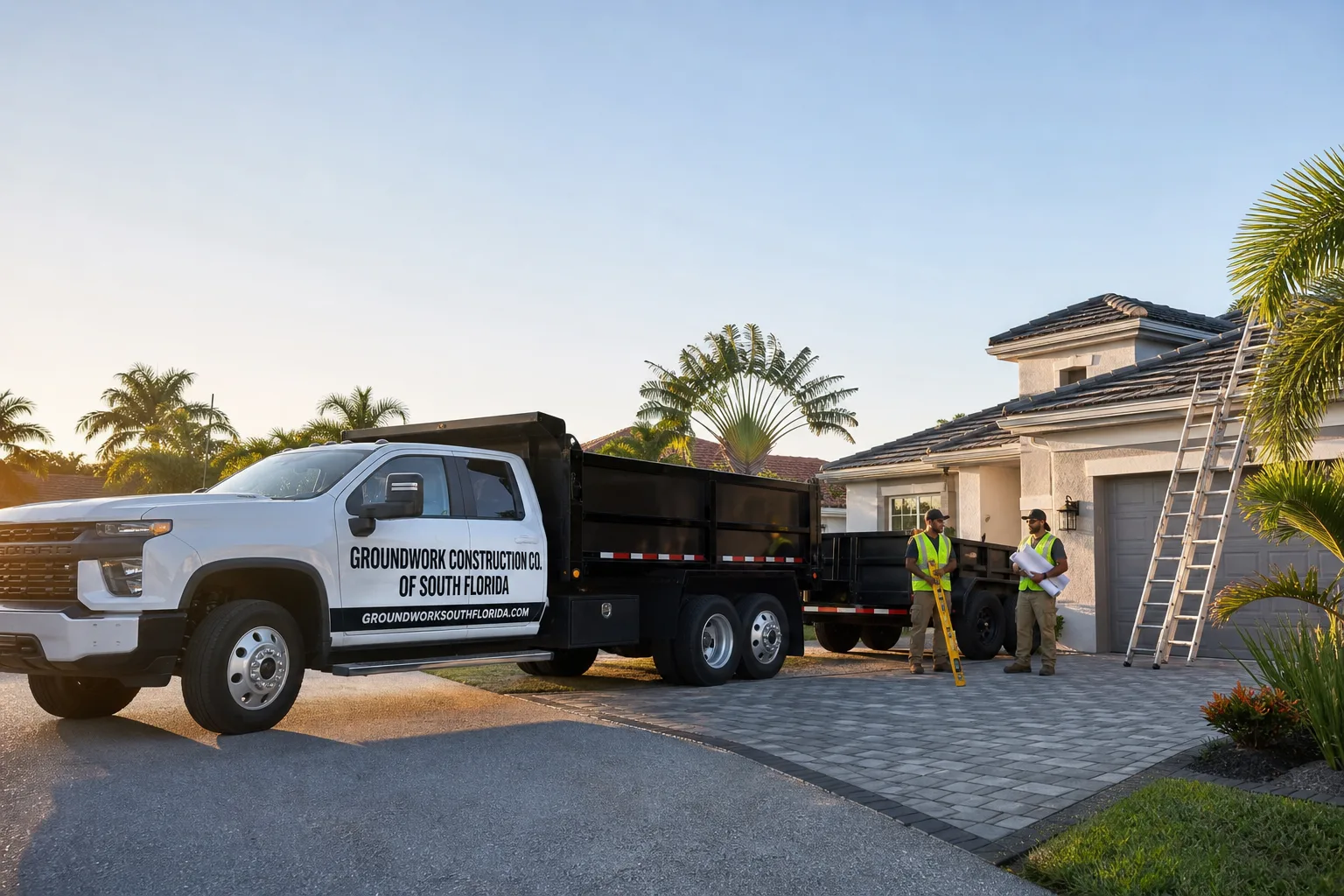
Written by Raymond Estevez, Owner at Groundwork Construction Co., serving Homestead and South Florida.