
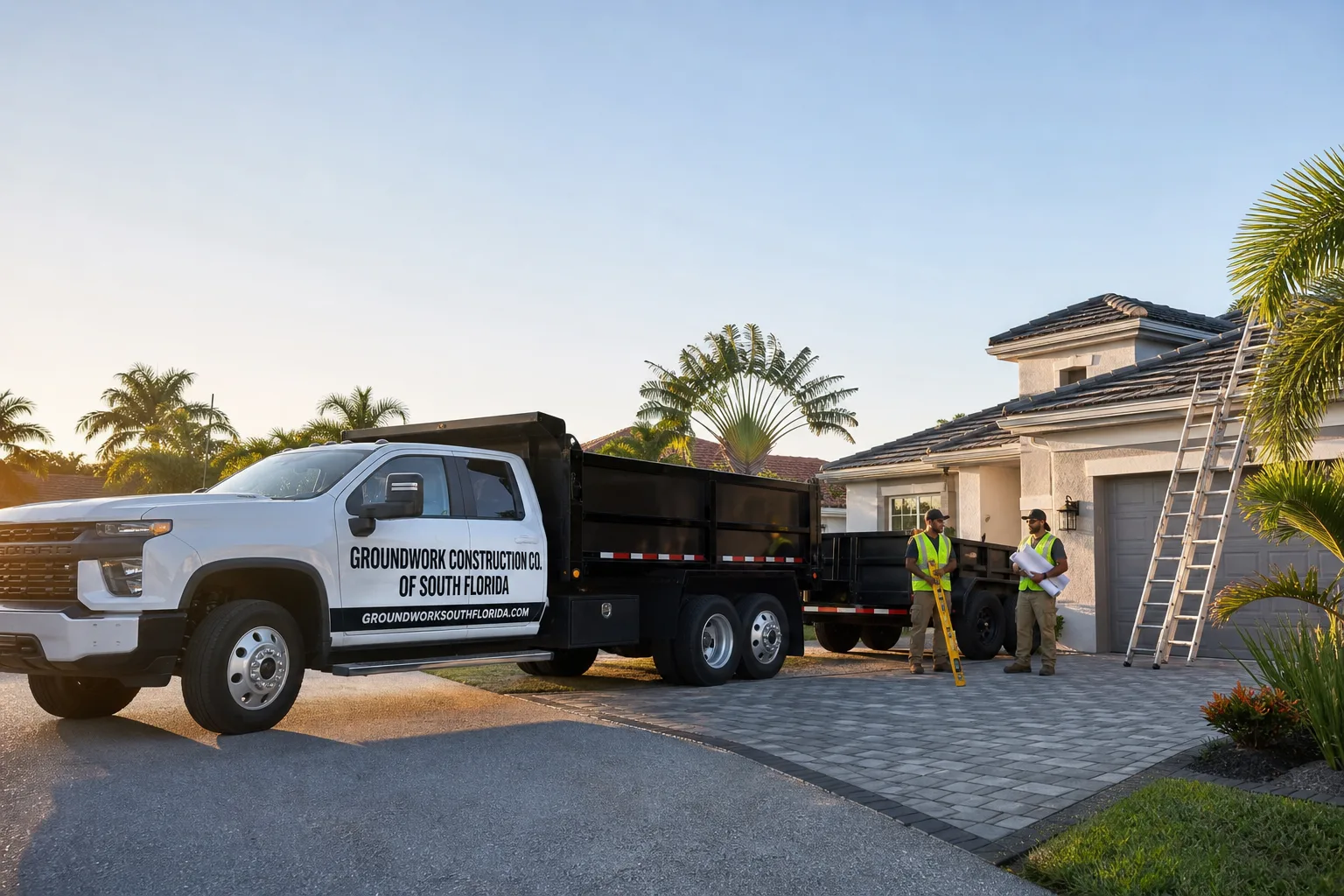
What Does a Wood Fence Cost and Take in Country Club, FL?
A professionally built wood fence in Country Club, FL typically runs $3,500-$9,000 and takes 2-5 days from permit approval to final walkthrough, depending on linear footage, grade of lumber, and whether we’re replacing an existing fence or building on raw sod. Most of our Country Club clients get their permits through Miami-Dade in 10-14 business days, and we handle the HVHZ documentation so you don’t have to. Call (844) 665-0162 and we’ll walk your property with a tape measure and give you a written estimate that same visit.
We’ve learned the hard way that fence installation in Country Club isn’t like fencing in Palm Springs North or up in Broward. The combination of Miami-Dade’s High-Velocity Hurricane Zone, the wet-season water table, and the tight architectural review boards in Country Club’s older subdivisions means a “simple” 6-foot privacy fence can turn into a compliance project if your contractor hasn’t worked this specific ZIP before. Raymond Estevez has been running builds in 33015 long enough to know which HOAs want stain samples submitted before the first post goes in, and which ones still reference 1990s-era covenants that never accounted for modern pressure-treated lumber.
How We Build a Wood Fence in Country Club - Stage by Stage
Day one is always locate and layout. We call 811 for utility marking, then walk the line with you to confirm where the fence sits relative to your property survey. In Country Club, this matters more than most places - the platted setbacks in these 1980s and 1990s subdivisions are tight, and we’ve seen homeowners assume a hedge row marked their line when it was actually two feet inside. We stake every post location, check sight lines against the HOA’s sample photos if you’ve shared them, and flag any sprinkler heads or shallow irrigation that needs rerouting. You’ll decide today whether we’re removing an old fence or building fresh, and whether you want the posts on your side of the line or straddling the property boundary with a neighbor.
Day two is demo and prep if there’s an existing fence, or auguring and setting posts if we’re on open ground. Removal of old wood fencing in Country Club usually runs $2-$4 per linear foot, and we haul it same-day. The dig is where our local experience shows. That Miami Limestone base sits under 8-14 inches of sandy fill in most of these tracts, and once we hit it, we’re either using a two-man auger with a carbide bit or switching to a jackhammer for stubborn pockets. Posts get set 24-30 inches deep depending on fence height, in wet-mix concrete with a slight crown for water runoff. You’ll choose your post spacing today - standard 8-foot centers, or 6-foot if you want extra rigidity against HVHZ wind loads.
Day three is rails and pickets if we’re building fast, or day three-four for longer runs. We install the top and bottom rails, check every post for plumb while the concrete is still green, and start fastening pickets. In Country Club’s humid climate, we only use hot-dipped galvanized or polymer-coated fasteners - standard zinc-coated screws will bleed rust stains through your stain within two seasons. You’ll decide on the picket top profile now: dog-ear for the traditional look most HOAs expect, flat-top for a cleaner line, or Gothic if your architectural review allows it.
Day four is finishing and hardware. Gates get hung with adjustable truss rods, latches are aligned, and we walk the full run checking for consistent picket height and reveal. If you’ve opted for stain - and in 33015, we strongly recommend it - we schedule that for day five after the pressure-treated lumber has had 48 hours to surface-dry. You’ll choose your stain color today, and we’ll note whether your HOA requires a specific shade from their approved palette.
Day five is inspection and walkthrough. Miami-Dade requires a final inspection for any fence over 6 feet or any fence with concrete footers in the HVHZ. We meet the inspector, address any punch items on the spot, and hand you the completed permit card and photo documentation. Most of our Country Club wood fence jobs clear inspection the first time because we build to the wind-load tables from the start, not after a failed visit.
The Wood Fence Options You’ll Actually Choose Between
- Pressure-treated pine (Southern Yellow Pine, MCA-C treated): The standard for Country Club and the most budget-friendly entry point. Holds up 10-15 years here with proper stain and drainage, but the green-tinted fresh lumber needs 2-3 weeks to dry before staining. Best for homeowners who want a clean, traditional look and plan to maintain it every 3-4 years.
- Cedar (Western Red Cedar, #2 clear and better): Naturally rot-resistant without chemical treatment, lighter weight for easier gate operation, and takes stain more evenly than pine. Runs 30-40% more on material cost. Best for homeowners who want the grain visible and prefer a semi-transparent stain that ages gracefully. In Country Club’s humidity, cedar still needs sealing - it’s resistant, not immune.
- Post caps and trim details: Flat caps are standard and functional. Pyramid or ball caps add $8-$15 per post but signal finished craftsmanship that some Country Club HOAs specifically request. We source these in pressure-treated or cedar to match your main material.
- Picket style and spacing: Solid privacy (no gap) is what most 33015 homeowners request for pool enclosures or backyard boundaries. Shadowbox (alternating pickets on either side of the rail) gives airflow and a finished look from both sides, runs about 15% more in labor and material. Board-on-board, with overlapping pickets, blocks the most sightline and wind but costs 20-25% above standard privacy.
- Gate configuration: Single 4-foot walk gates are standard. Double 8-foot drive gates for backyard equipment access add $600-$1,200 depending on hardware grade. In HVHZ Country Club, we spec heavier hinges and a drop rod on every double gate - the wind load on a broad gate surface is real, and we’ve replaced too many sagging gates that were built light.
What Wood Fence Costs in Country Club, FL
| Component | Typical Range |
|---|---|
| Wood fence installation (complete) | $3,500 - $9,000 |
| Old fence removal and haul-away | $2 - $4 per linear foot |
| Gate upgrade (single to double) | $600 - $1,200 |
| Stain application (first coat) | $1.50 - $2.50 per square foot of surface |
| Post upgrade to cedar from PT pine | $8 - $15 per post |
Five factors push your job to the high or low end of that $3,500-$9,000 range. Linear footage is obvious - a 200-foot perimeter costs more than 80 feet of backyard privacy. Existing fence removal adds labor and disposal but saves you from hiring it separately. Grade changes or slopes require stepped construction or racked pickets, adding 10-20% in labor time. Material grade matters: #1 select pine versus standard #2, or clear cedar versus knotty, can swing material cost by 25%. Finally, permit scope - if your fence ties into an existing structure or exceeds 6 feet, Miami-Dade’s HVHZ triggers engineering review that smaller jobs avoid.
Our written estimates for our fence installation services include posts, concrete, rails, pickets, fasteners, gates with standard hardware, and permit application. What’s typically separate: sprinkler relocation by your irrigation company, stump grinding if we’re removing old posts with rooted bases, and stain if you opt to have us apply it. We itemize everything so you’re not surprised when the final invoice matches the proposal.
What Country Club Homes Specifically Do to This Job
Country Club isn’t generic suburban Florida, and wood fence work here carries complications your cousin in Tampa doesn’t face. The entire 33015 ZIP sits inside Miami-Dade County’s High-Velocity Hurricane Zone, the strictest wind-load jurisdiction in the country. That means any wood fence we build - even a straightforward 6-foot privacy run - gets engineered to withstand sustained winds that would shred a Broward County installation built to lesser standards. The concrete footers go deeper, the post spacing tightens, and the fastener schedule doubles. We’ve had homeowners ask why our quote runs higher than a Hialeah bid they found online; the answer is usually that the Hialeah contractor wasn’t pricing HVHZ compliance because they don’t work south of the county line.
The housing stock matters too. These CBS tract homes built from the mid-1980s through the early 2000s were developed as planned communities with active HOAs, and most still enforce Country Club custom windows & doors and fencing requirements that predate modern materials. We’ve worked with boards that still reference “natural wood tones” from 1992 covenants and reject composite or vinyl on principle - which is why wood fence remains the safe, approved choice in so many Country Club neighborhoods. Raymond Estevez has sat in enough ARB meetings to know which subdivisions want stain samples in writing before groundbreaking, and which ones send a board member to photograph progress mid-build.
Then there’s the water. Country Club’s position at the western edge of Miami-Dade, hard against the Everglades drainage canals, means that water table can rise to within 18-24 inches of grade during the May-October wet season. Any post hole we dig in July is a different animal than the same hole in January. We schedule wood fence work in Country Club with that calendar in mind, and we always crown our concrete footers to shed water rather than pool it against the post base. The failure mode we see most often on older fences in 33015 isn’t wind - it’s rot at the post base from years of wet-season saturation because the original builder didn’t account for local drainage.
Serving Country Club, FL - Our Local Coverage Area
We’re based in the Country Club area and know this community well. Use the map below to see our service coverage - if you’re nearby, we can almost certainly help.
Frequently Asked - Wood Fence in Country Club
Most wood fence installations in Country Club take 2-5 working days after permit approval, with permit review running 10-14 business days through Miami-Dade. We’ll know your exact timeline after measuring your linear footage and checking whether your HOA requires pre-approval before we file. Call (844) 665-0162 and we can walk your property this week.
Yes - Miami-Dade requires a building permit for any fence over 6 feet tall or any fence with concrete footers in the HVHZ, which covers all of Country Club’s 33015 ZIP. We prepare the permit application, the site plan, and the HVHZ compliance documentation as part of our standard process. Most of our clients never visit the permit office.
We can match most existing wood fences in Country Club if the original lumber grade and picket profile are still available. Weathered wood won’t match new stock immediately, but we can advise on stain timing to blend the repair within a season. Bring us a photo or a loose picket sample and we’ll source the closest current equivalent.
Partial repair makes sense when less than 20% of the fence is compromised and the posts are still sound in concrete. Once multiple posts are rotted at the base or the rails are sagging across more than a third of the run, full replacement is usually more cost-effective than serial repairs. We’ll give you both numbers on our estimate visit.
We warranty our workmanship - posts, rails, gates, and hardware - against installation defects. The lumber itself carries the manufacturer’s treatment warranty, which varies by supplier. Because wood is a natural material, we don’t warranty against normal weathering, stain fade, or homeowner maintenance lapses. We’ll explain exactly what’s covered when you review the written estimate.
Get Your Wood Fence Estimate in Country Club
We’re scheduling site visits for wood fence projects in Country Club this week. Call (844) 665-0162, tell us your approximate linear footage or property address, and we’ll set a time for Raymond Estevez or one of our crew leads to walk the line with you, flag any HOA or drainage considerations specific to your lot, and leave you with a written estimate that evening. No deposit required to book, and we don’t start work until permits clear.
Written by Raymond Estevez, Owner at Groundwork Construction Co., serving Country Club and South Florida homeowners since 2014.