
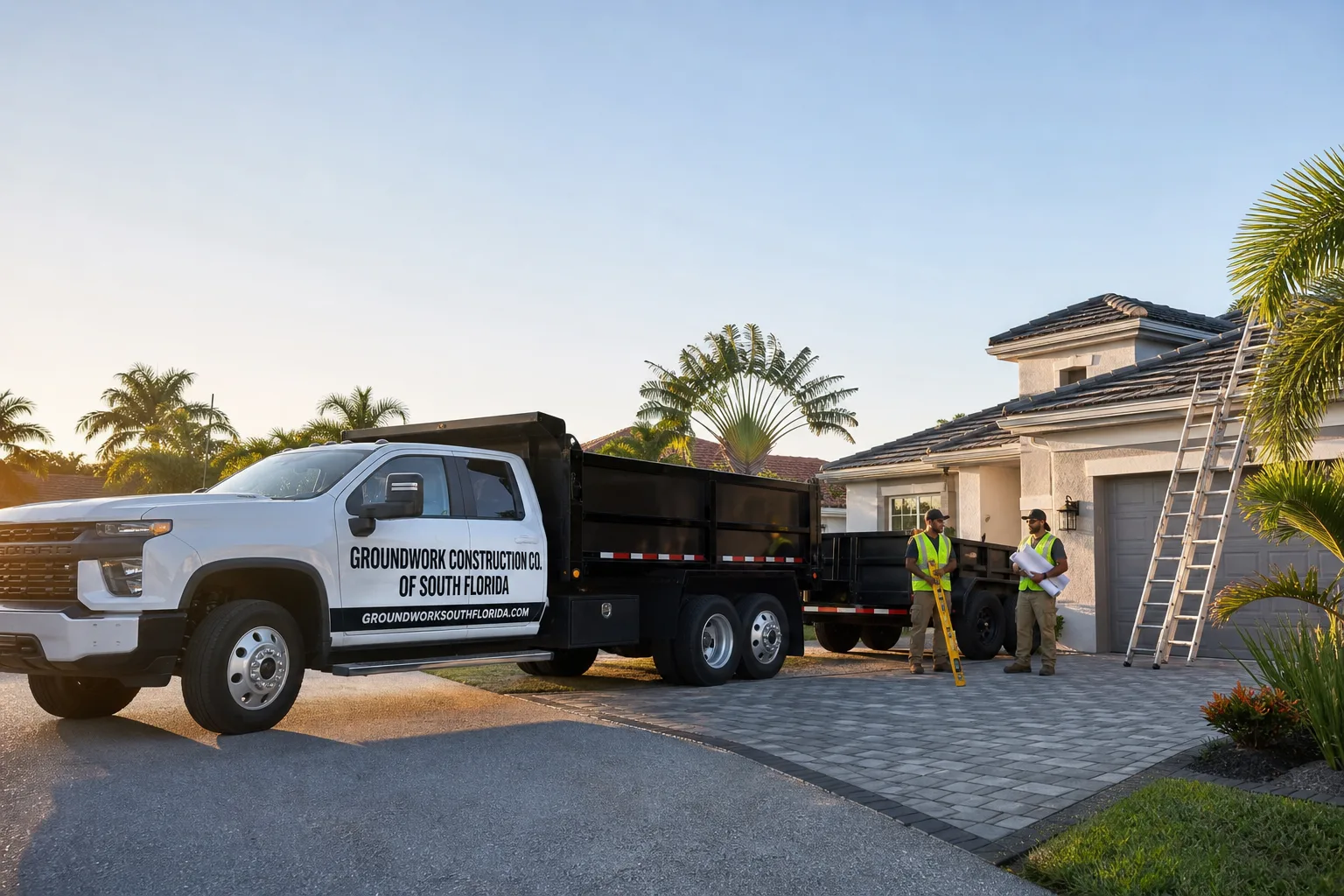
Tub-to-Shower Conversion in Lake Worth Corridor: Scope, Timeline, and Cost
A tub-to-shower conversion replaces your existing bathtub with a purpose-built shower enclosure, typically finished in three to five working days for a straightforward job. In Lake Worth Corridor, we see this project most often in the corridor’s small 1950s-1970s concrete block homes where the original tub has become a daily inconvenience. Most conversions run between $3,500 and $10,000 depending on whether we’re working within the existing footprint or relocating plumbing and walls. Call (844) 665-0162 for a free on-site estimate and we’ll walk through your specific layout.
How We Handle a Tub-to-Shower Conversion from Start to Finish
We’ve refined this process across dozens of Lake Worth Corridor bathrooms. Here’s what actually happens, and what you’ll need to decide at each point.
Day 1: Demo and Discovery
We remove the tub, surround, and any adjacent drywall or tile down to the studs. This is where we find what we’re really working with: galvanized steel plumbing, rotted subfloor from decades of slow leaks, or the telltale signs of a previous unpermitted renovation. You’ll get photos and a verbal update before we leave. If we hit something unexpected, we pause for your go-ahead before changing scope.
Day 2-3: Plumbing and Structural Prep
The drain gets reconfigured from tub-style (1.5-inch, centered) to shower-style (2-inch, often offset toward the threshold). If you’re keeping the valve location, this stays simple. Moving the valve or adding a second showerhead means opening more wall and running new copper or PEX. We also inspect the subfloor slope; Lake Worth Corridor’s humidity can soften plywood over time, and a shower pan needs solid, properly pitched backing. You’ll confirm fixture placement and showerhead height now, because after drywall goes up, changes get expensive.
Day 4: Pan, Wall Board, and Waterproofing
We set the shower pan, whether that’s a prefabricated acrylic base or a custom hot-mop / membrane system with tile-ready surface. Cement board or foam shower wall panels go up next, with liquid or sheet membrane waterproofing at all seams and corners. This stage determines your long-term leak risk more than anything else, so we don’t rush it. You’ll see the waterproofing layer before tile or wall panels cover it.
Day 5-6: Finish Surfaces and Fixtures
Tile, solid surface panels, or acrylic surround gets installed. Grout and seal if it’s tile; silicone joints if it’s panels. The glass door or curtain rod goes in last. We test every connection under pressure, check the pan flood-test if required by Palm Beach County, and clean the space before you walk through. You’ll do a final punch list with the lead carpenter.
Permit Closeout
Because Lake Worth Corridor sits in unincorporated Palm Beach County, we schedule the county inspector directly. Most tub-to-shower conversions trigger a plumbing and building inspection, especially if we touched the drain line. We handle the paperwork and meet the inspector; you just need to provide access. Typical permit turnaround is 7-10 business days from application to final sign-off, though that stretches if the inspector flags legacy issues in the surrounding structure.
The Options You’ll Actually Choose Between
- Shower pan type: Prefabricated acrylic or fiberglass bases run $400-$900 installed and work well for standard 60×32 or 60×30 openings. Custom tile pans with hot-mop or PVC membrane waterproofing start around $1,800 but let you define any size, shape, or threshold profile. The trade-off is time and maintenance: prefab installs in hours, tile takes two days and needs regrouting every few years in Florida’s hard water.
- Wall surround material: Acrylic three-panel systems are watertight, budget-friendly, and done in a day. Tile gives you design range but demands competent waterproofing behind it; we see too many Lake Worth Corridor bathrooms with failed DIY tile jobs behind the tub we just removed. Solid surface panels (cultured marble, engineered quartz) split the difference: seamless, repairable, mid-range cost. Cambria and similar engineered surfaces can be fabricated for shower walls if you’re matching a vanity top elsewhere in the bath.
- Fixture grade and configuration: A single pressure-balanced valve with standard showerhead keeps you near the low end of pricing. Thermostatic valves, handheld wands, rain showerheads, or body sprays add $600-$2,500 in fixtures alone plus rough-in labor. For the corridor’s older homes with ½-inch supply lines, we may recommend limiting simultaneous fixtures to avoid pressure drop.
- Glass enclosure vs. curtain: Framed sliding doors are functional and economical. Frameless glass looks cleaner but costs 2-3× more and demands precise wall plumbness, something 1960s block construction doesn’t always provide without shimming or reframing. A tension rod and curtain remains valid for tight budgets or rental properties.
- Accessibility features: Curbless entry with linear drain adds $1,500-$3,500 but enables aging-in-place or wheelchair access. Grab bars need backing in the wall framing, easiest to spec before drywall. These aren’t afterthoughts; they change the pan design and waterproofing approach.
What Tub-to-Shower Conversion Costs in Lake Worth Corridor, FL
| Project Tier | Typical Range | What’s Included |
|---|---|---|
| Basic conversion (same footprint, prefab pan, acrylic surround, standard valve) | $3,500-$5,500 | Demo, drain reconfigure, pan, surround, basic fixtures, permit |
| Mid-range (tile pan, tiled or solid surface walls, upgraded fixtures) | $5,500-$8,000 | Custom waterproofing, material choice, thermostatic or multi-function valve |
| Complex (relocated plumbing, structural modification, high-end finishes) | $8,000-$10,000+ | Wall relocation, electrical for lighting/niche, premium materials, glass enclosure |
Five factors push you up or down this range. First, keeping the existing wet wall location saves $800-$1,500 versus moving the drain or valve. Second, the condition of what’s behind the tub: rotted subfloor, galvanized plumbing, or unpermitted electrical adds remediation cost before the new work starts. Third, material grade, particularly wall finish and fixtures. Fourth, whether Palm Beach County requires additional structural or electrical upgrades once we open the walls. Fifth, accessibility modifications like curbless entry or widening the opening.
Our written estimates itemize labor, materials, permit fees, and a contingency line for concealed conditions. What they don’t include: your chosen tile or fixture purchases if you buy direct, temporary bathroom arrangements, or post-final paint touch-up outside the shower envelope.
What Lake Worth Corridor Homes Specifically Do to This Job
Lake Worth Corridor’s building stock turns what looks like a simple swap into a compliance exercise more often than you’d expect. The corridor is unincorporated Palm Beach County, so every permit runs through the county building department, not a city office. That matters because county inspectors see the full construction history, and these 1950s-1970s CBS homes frequently carry unpermitted carport conversions, second bathrooms added without documentation, or electrical panels upgraded by a previous owner who never pulled a permit.
We’ve opened tub walls in Lake Worth Corridor and found the bathroom itself is part of an unpermitted addition from the 1980s with no hurricane straps and footings that don’t meet current Florida Building Code wind-load requirements. Palm Beach County will red-tag the whole job until that legacy work is documented and brought to compliance. It’s a hidden cost that out-of-area crews miss in their estimates, and it’s why we always price a concealed-conditions contingency for corridor work.
The humidity is the other local factor. These small CBS homes breathe differently than frame construction, and decades of shower steam without adequate exhaust has degraded wall cavities we can’t see until demo. We spec moisture-resistant cement board, redundant waterproofing, and always verify the exhaust fan is vented outside, not into the attic, before we close up. For homeowners considering a broader renovation, this work often pairs naturally with Metal Roofing in Lake Worth Corridor or Tile Roofing in Lake Worth Corridor to address the same envelope integrity issues.
If you’re thinking about this as part of a full Bathroom Remodeling in Lake Worth Corridor, our Bathroom Remodeling crew can coordinate the shower conversion with vanity replacement, flooring, and lighting under one schedule and one point of accountability. We cover Lake Worth Corridor and the surrounding Palm Beach County area from our Fort Lauderdale base.
Serving Lake Worth Corridor, FL - Our Local Coverage Area
We’re based in the Lake Worth Corridor area and know this community well. Use the map below to see our service coverage - if you’re nearby, we can almost certainly help.
Frequently Asked - Tub-to-Shower Conversion in Lake Worth Corridor
Most conversions finish in three to five working days if we’re staying within the existing footprint and no concealed damage appears. Add two to three days if we need to reframe, relocate plumbing, or wait on Palm Beach County inspections for complex jobs. Call (844) 665-0162 and we’ll give you a realistic timeline after seeing your bathroom.
Yes, nearly always. Because Lake Worth Corridor is unincorporated Palm Beach County, the county building department requires a permit for any plumbing drain modification and most wall alterations. We pull the permit, handle inspections, and ensure compliance with Florida Building Code wind and moisture standards. The permit fee typically runs $150-$400 depending on project value.
Usually yes, if the tub drain and valve locations work for your desired shower layout. The existing 1.5-inch tub drain gets upsized to 2-inch shower code, but it can often stay in the same bay. Problems arise when the valve is on the wrong wall for your preferred door location or when the existing plumbing is galvanized steel at end of life. We’ll map this out in our first site visit.
A prefabricated acrylic shower base and three-piece surround, keeping the valve location, using a standard pressure-balanced fixture, and skipping glass for a curtain rod. That combination lands near the $3,500 end of our range. The trade-off is less design flexibility and a shorter lifespan than tile or solid surface, but it’s a valid choice for rental properties or tight budgets.
We warranty our workmanship on waterproofing, plumbing connections, and structural modifications. Material warranties come from the manufacturers: acrylic pan makers typically cover defects for 10-30 years, tile warranties vary by brand, and fixtures carry their own terms. We document all warranty paperwork and transfer information so you have it for resale or future service.
Ready to Replace Your Tub with a Shower Built to Spec?
Call (844) 665-0162 for a free on-site estimate in Lake Worth Corridor. Raymond Estevez or a senior project lead will walk your bathroom, confirm measurements, flag any concealed-condition risks specific to your home’s age and construction, and deliver a written estimate with itemized pricing within 48 hours. No pressure, no deposit required to schedule the consultation.
Written by Raymond Estevez, Owner at Groundwork Construction Co., serving Lake Worth Corridor and South Florida homeowners since our founding.