
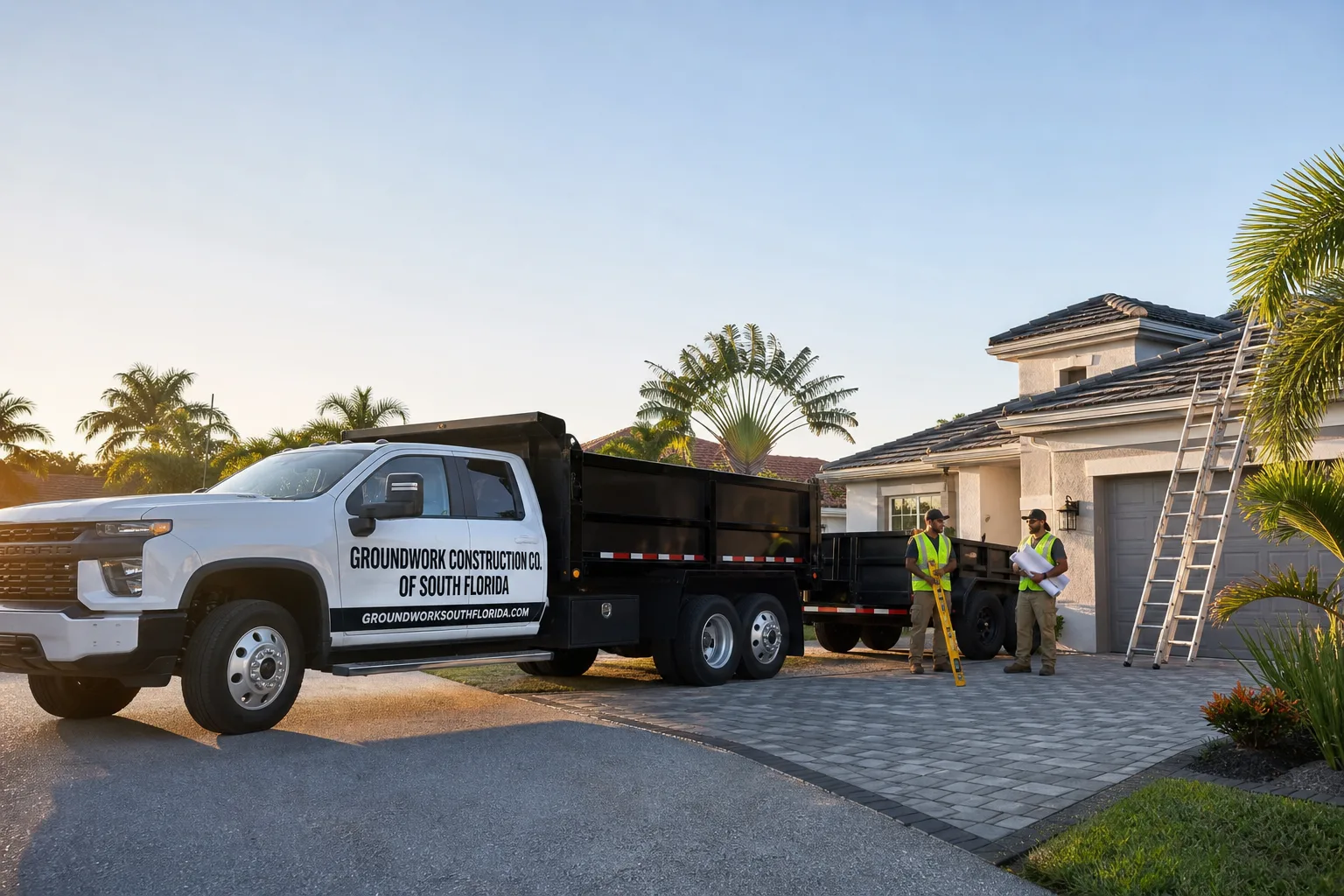
Trusted Bathroom Remodeling for South Florida Homeowners
Bathroom remodeling in South Florida typically costs $9,000-$28,000 for a full renovation, with most projects completed in 3-6 weeks depending on scope. At Groundwork Construction Co., we handle everything from walk-in shower conversions to complete gut renovations as your single-source contractor, so you’re not coordinating separate plumbers, tile setters, and electricians across Palm Beach County.
We’ve seen what South Florida’s humidity and salt air do to bathrooms. In Lake Worth and Delray Beach, we regularly find subfloor rot from decades of steam penetration. In Wellington and Boca Raton, outdated layouts from the 1980s and 90s waste square footage that could fit double vanities or spacious walk-in showers. Raymond Estevez and our team bring full-spectrum residential construction capability to every bathroom project, which means when we open walls and find corroded cast-iron plumbing or inadequate venting, we fix it without calling in another contractor. You get one accountable team from demolition to final fixture installation. Call (844) 665-0162 for a free estimate, and we’ll walk your space with you to identify what’s possible within your timeline and budget.
What Our Bathroom Remodeling Service Includes
Full Bathroom Remodeling
A full bathroom remodel strips the space to studs and rebuilds it with new plumbing, electrical, waterproofing, finishes, and fixtures. You’ll need this when your bathroom is functionally obsolete, has persistent moisture damage, or simply doesn’t match how you live now. At Groundwork Construction Co. of South Florida, we handle full remodels as a complete construction project, not a handoff between trades, and we source materials from our curated brand roster including KraftMaid cabinetry so you choose what goes in, not what’s convenient for us.
Walk-In Showers & Shower Remodeling
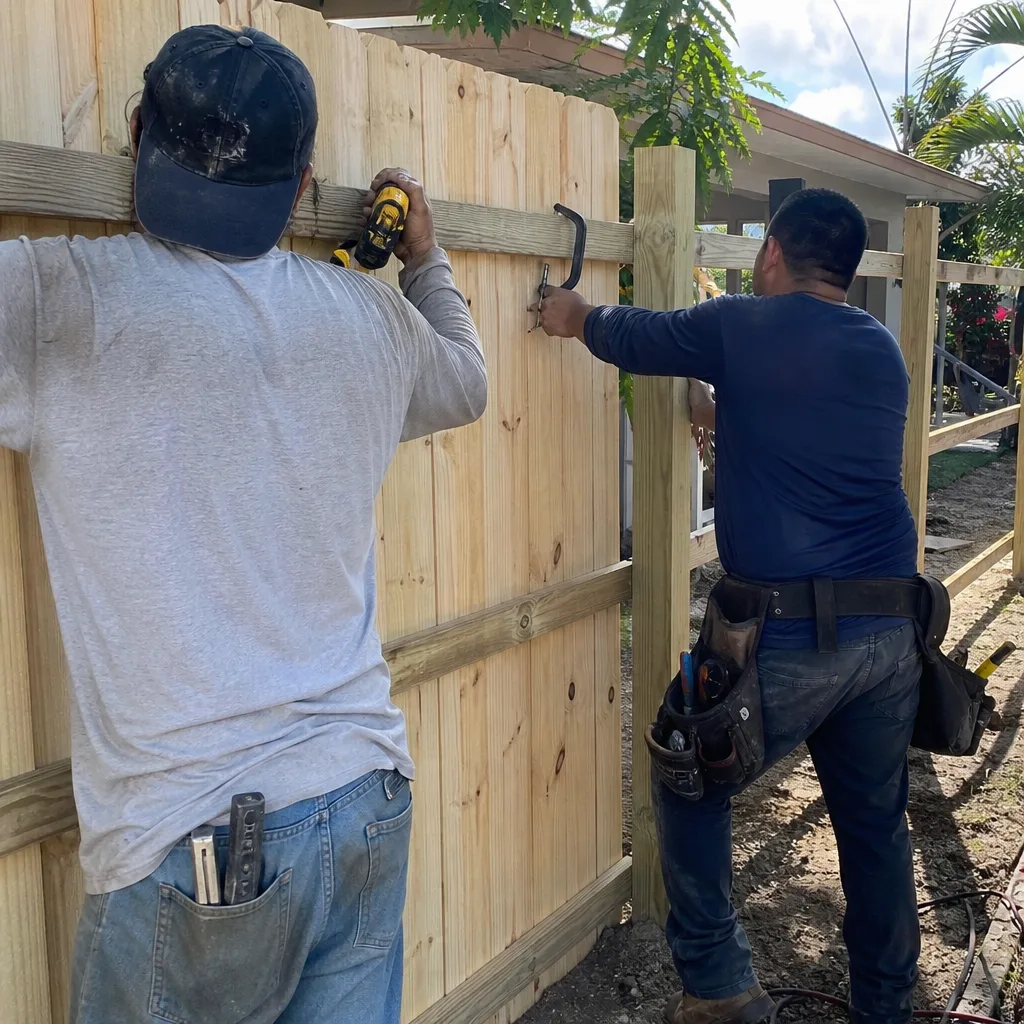
Walk-in shower remodeling replaces tub-shower combos or outdated stalls with Frameless Glass Shower Enclosures and barrier-free or low-threshold showers that open up the room and improve accessibility. This makes sense when you’re planning to age in place, when a bulky tub dominates a small bathroom, or when grout failure and leaks have compromised the surround. We install waterproofing systems rated for South Florida’s wet climate, then finish with your choice of tile, stone, or solid-surface panels.
Tub-to-Shower Conversion
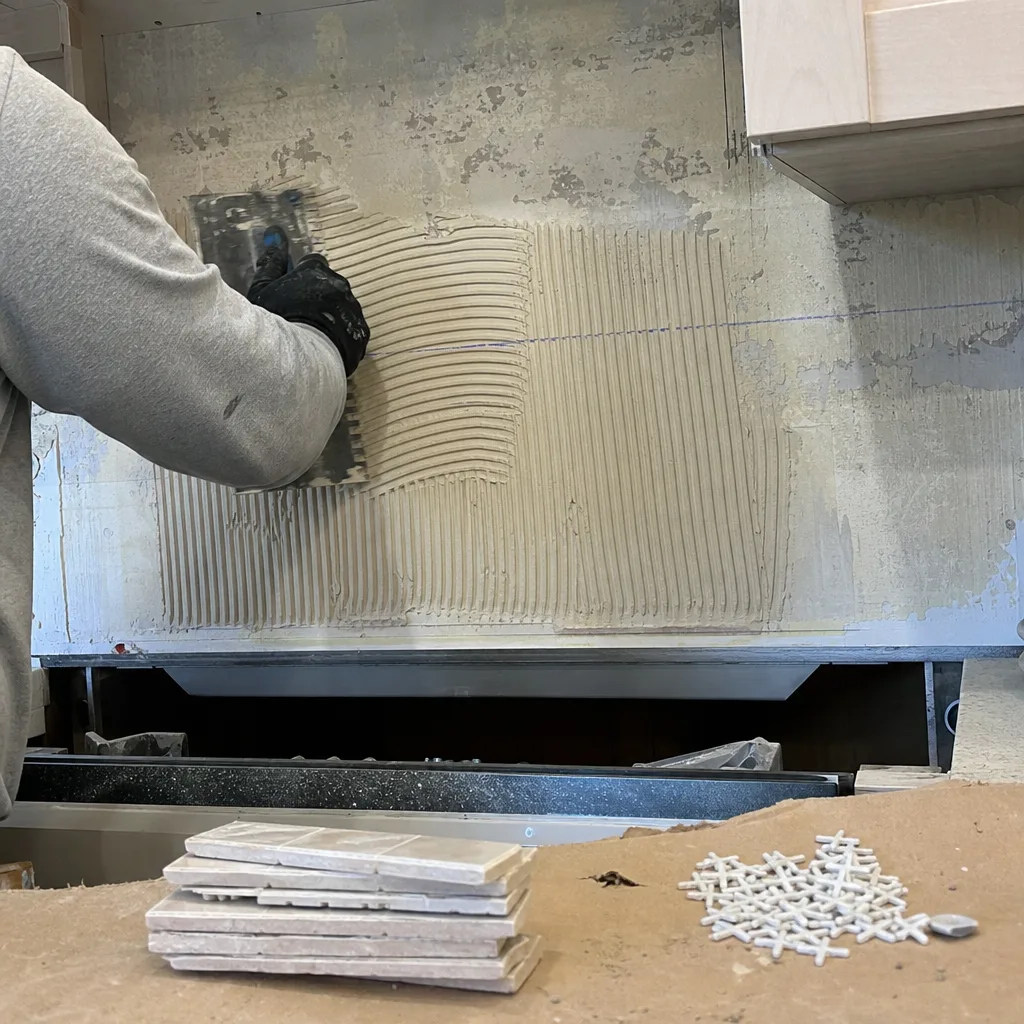
A Bathtub Replacement or tub-to-shower conversion removes an unused bathtub and installs a purpose-built shower in its footprint, often gaining usable floor space in the process. This is one of our most requested services in Boynton Beach and North Palm Beach, where master bathrooms from the 1990s typically feature oversized garden tubs that homeowners never use. Our team manages the plumbing reconfiguration, structural reinforcement if needed, and waterproofing as part of one coordinated scope.
Vanities
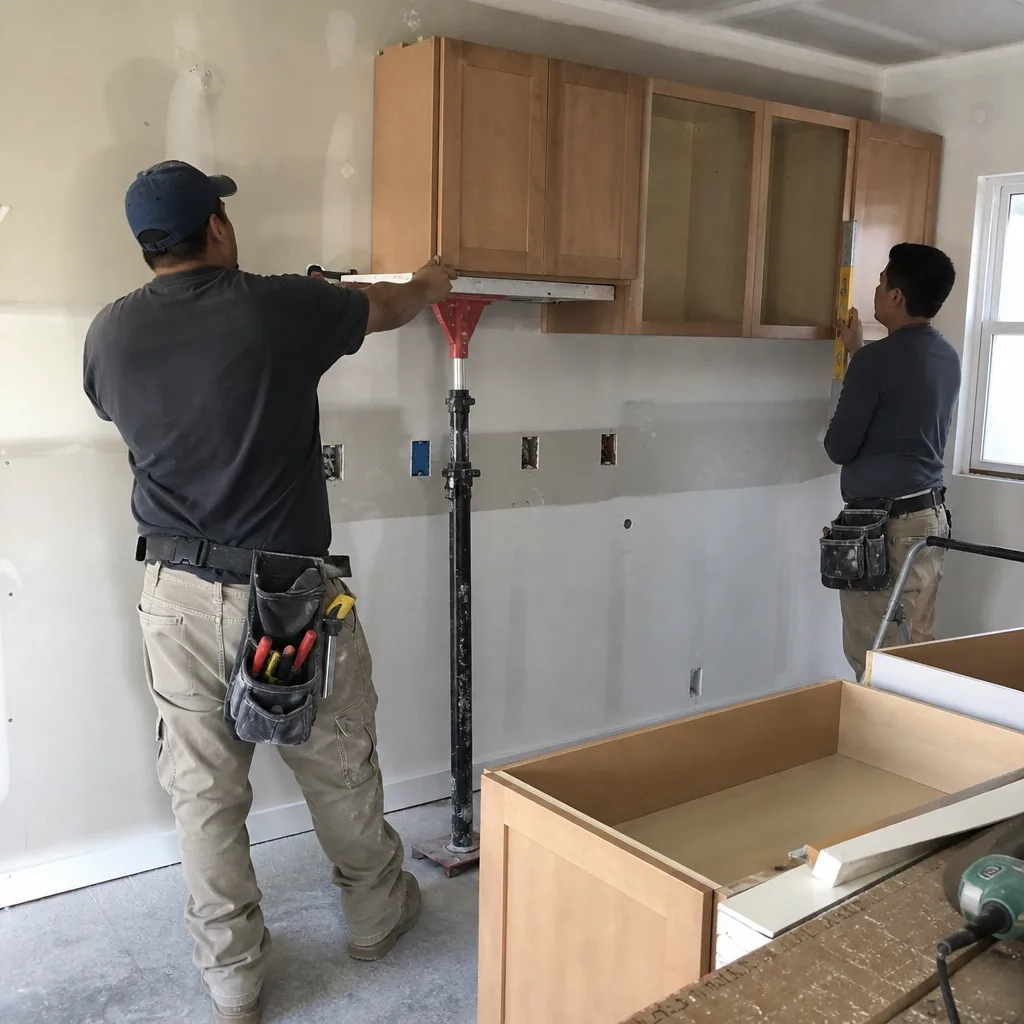
Vanity installation or replacement updates storage, countertop surface, and often the entire aesthetic of a bathroom. You’ll want this when drawers stick, countertops are stained or cracked, or when the single-sink layout creates morning bottlenecks for couples. We work with KraftMaid and other cabinet lines to provide vanities that fit your space precisely, not stock sizes that leave gaps or waste wall space.
Tile & Fixtures
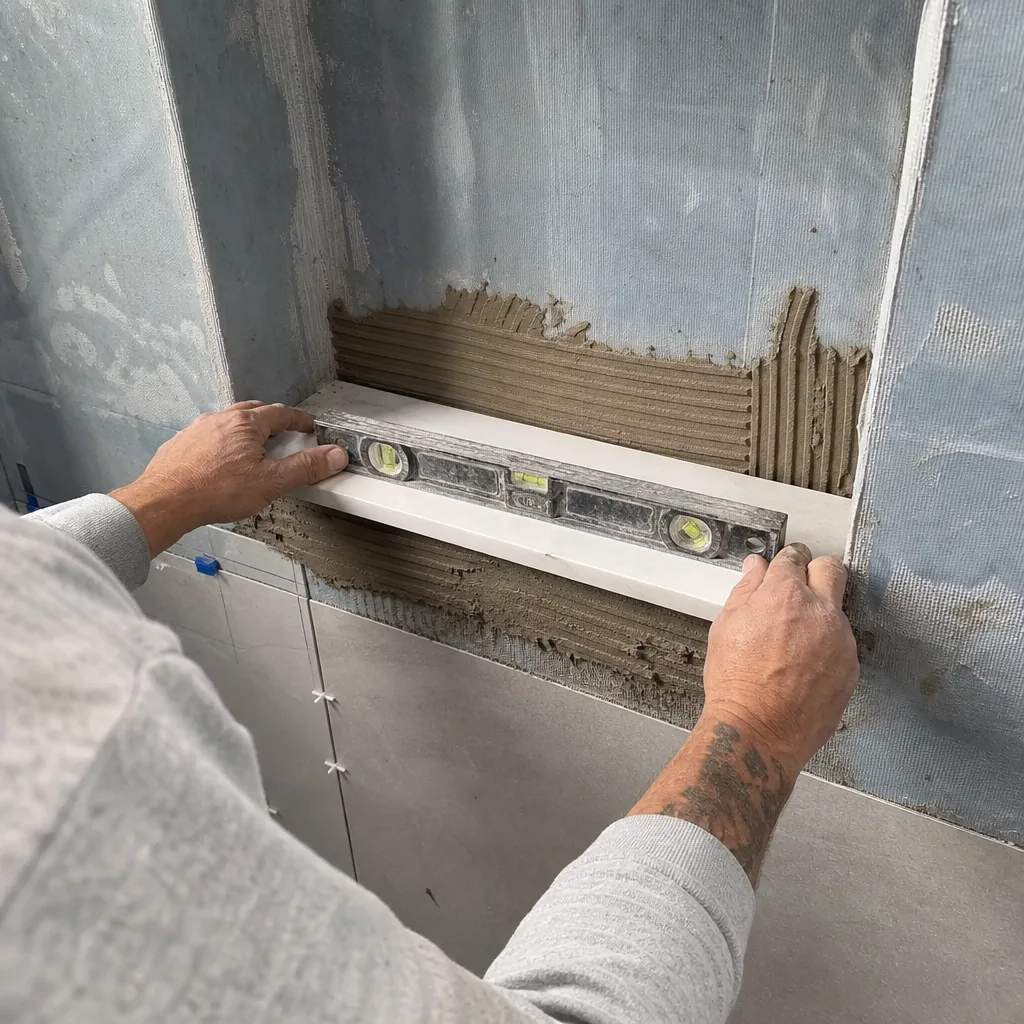
Tile and fixture updates refresh a bathroom’s appearance and function without full demolition, though we often pair this with waterproofing repairs when South Florida’s humidity has degraded underlying substrates. This service fits when your layout works but your surfaces don’t, or when you’re preparing a home for sale in competitive markets like Palm Beach Gardens. We install porcelain, ceramic, natural stone, and large-format tiles with proper mortar beds and expansion joints for our climate.
Small Bathroom Remodels
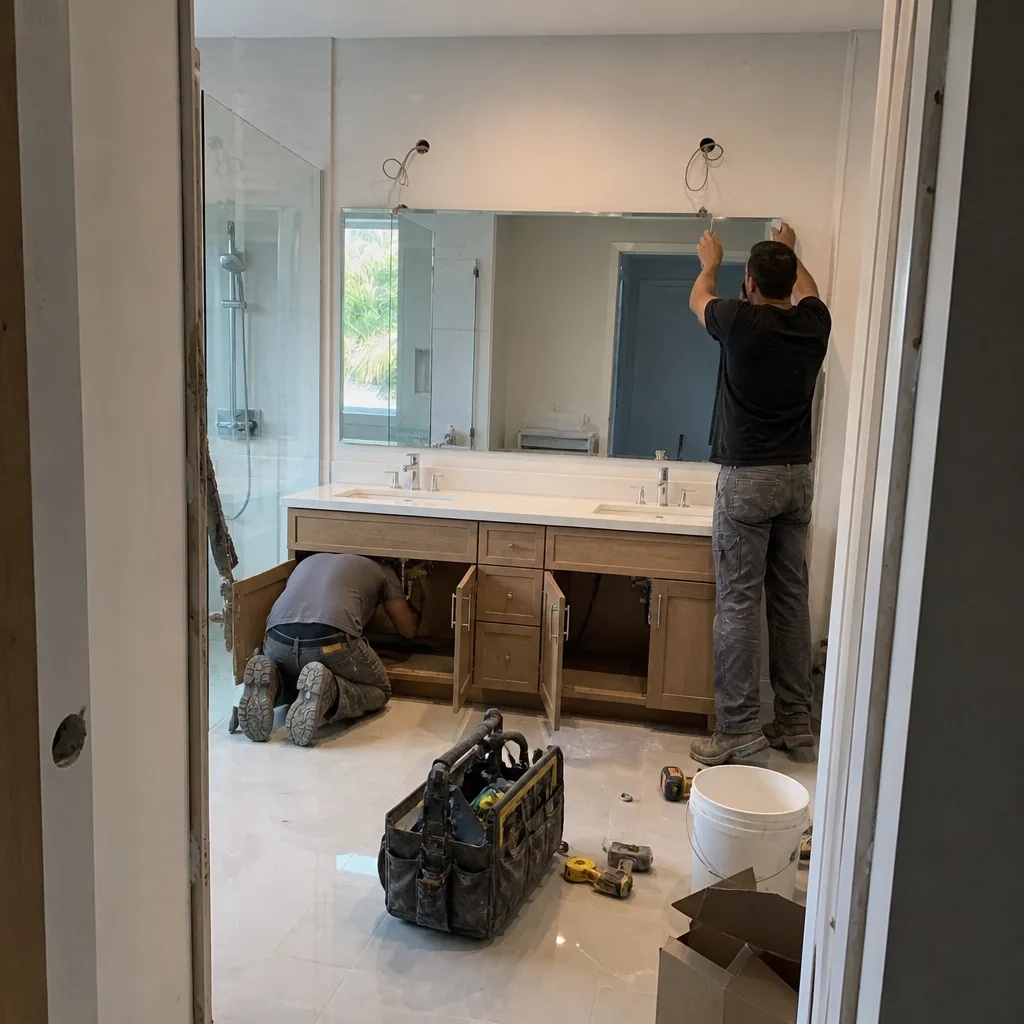
Small Bathroom Remodels, typically for powder rooms or guest baths under 50 square feet, demand precise space planning and scaled fixtures that don’t overwhelm the room. In older South Florida homes near Lake Worth and Delray Beach, we frequently convert cramped 5×7 layouts into efficient spaces with wall-hung toilets, corner sinks, and sliding shower doors. Our full-spectrum capability matters here because small spaces often require creative plumbing relocation that single-trade contractors can’t execute.
Walk-In Shower Installation
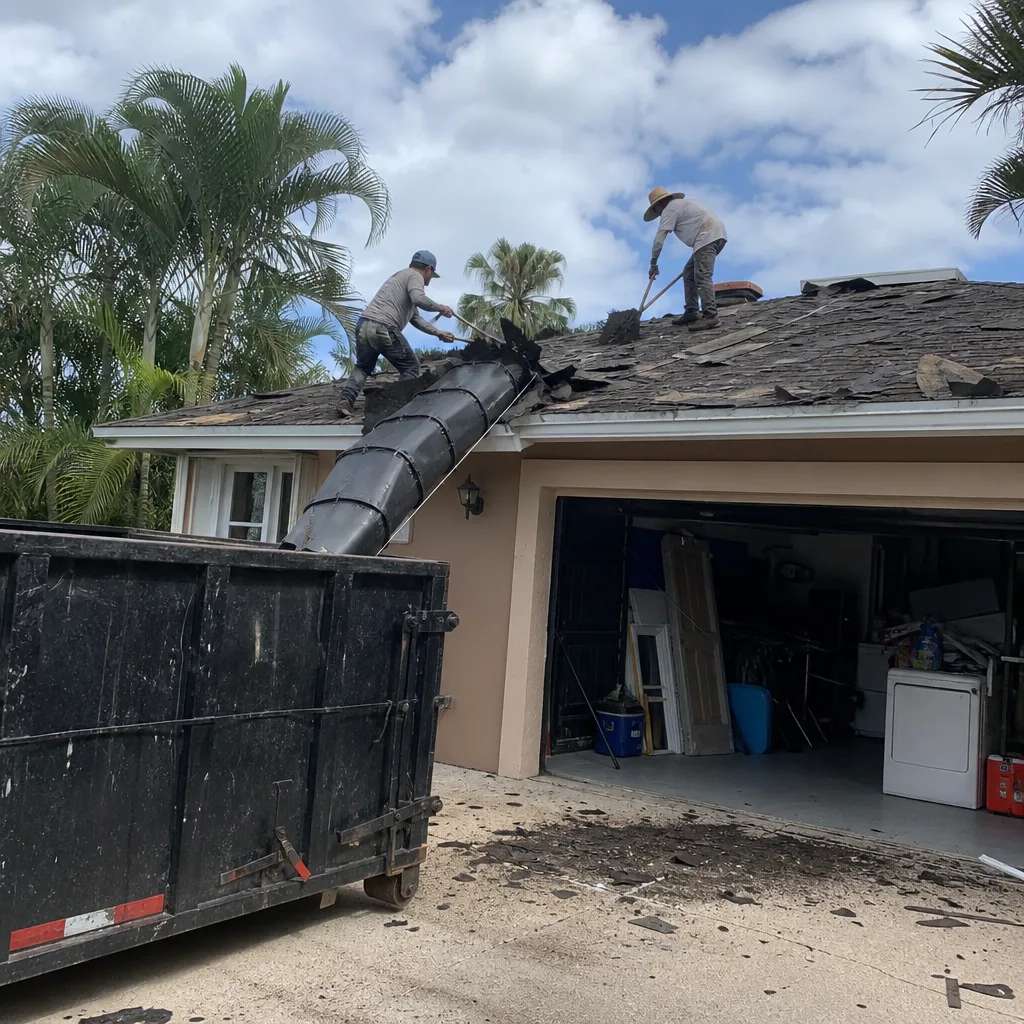
Walk-in shower installation creates a new shower where none existed or expands an existing shower into a more generous footprint. This service applies to home additions, garage conversions, or reconfigurations within existing bathrooms where you’re sacrificing a closet or dividing a large space. Because Groundwork also builds home additions and ADUs, we understand how bathroom plumbing integrates with whole-house systems, not just isolated fixtures.
What happens when you call
- 1
A real person answersNo phone trees - you reach a local pro.
- 2
You get an upfront price rangeHonest numbers before anyone is dispatched.
- 3
A background-checked tech heads outLicensed & insured, dispatched right away.
- 4
You approve before work beginsNothing starts until you say go.
Brands We Service for Bathroom Remodeling
We work with KraftMaid cabinetry for bathroom vanities and storage systems, drawing from their full catalog of painted, stained, and laminate finishes across multiple price tiers. In South Florida’s coastal environment, we’ve found their all-plywood construction holds up better than particleboard alternatives when humidity spikes, and their soft-close hardware stands up to daily use in busy family bathrooms. Whether you want a furniture-style vanity with decorative feet or a floating wall-hung unit that makes a small bathroom feel larger, KraftMaid’s range lets us match the product to your space, not force a compromise.
For exterior-facing bathroom elements, particularly in whole-home renovations where the bathroom project connects to siding or window replacement, we specify James Hardie fiber-cement products. Their moisture-resistant formulation is relevant when bathroom exhaust vents terminate through exterior walls, or when we’re enlarging windows as part of a master bath remodel to capture natural light. Whether your project involves KraftMaid, James Hardie, or any other brand from our 50-plus partner roster, we source and install to manufacturer specifications, not shortcuts. You choose the brand, we handle the build.
Signs You Need Bathroom Remodeling Right Now
- Soft or discolored drywall near the tub or shower. This indicates moisture has breached the waterproofing layer and is degrading the wall cavity. In South Florida’s climate, that moisture rarely dries completely, and we’ve found active mold growth behind seemingly minor surface stains in homes from Boca Raton to Belle Glade. Left alone, it spreads to framing and requires far more extensive repair.
- Cracked, loose, or missing grout with visible subfloor movement. Grout failure isn’t cosmetic, it’s a warning that the tile installation has lost its bond or the subfloor is flexing. Every time water hits that gap, it seeps toward the subfloor. In canal-front homes near Bryant and Clewiston, we’ve seen this lead to structural floor damage that extended into adjacent rooms.
- Persistent musty odor that doesn’t clear with ventilation. When exhaust fans, open windows, and cleaning don’t eliminate bathroom odors, the source is often hidden mold in walls, under flooring, or inside vanity cabinets. South Florida’s year-round humidity means biological growth happens faster here than in drier climates, and masking the smell ignores the underlying construction failure.
- Plumbing fixtures original to a home built before 2000. Galvanized supply lines, cast-iron drains, and first-generation pressure-balancing valves all have finite lifespans that expired years ago in most South Florida homes. We’ve opened walls in Canal Point and Wellington bathrooms to find pipes with interior corrosion reducing flow to a trickle, or drains with bellied sections trapping waste.
- The layout doesn’t match how you actually use the space. A single vanity for two working adults, a tub you haven’t filled in three years, or a toilet positioned where the door hits your knees, these are daily friction points that remodeling eliminates permanently. Unlike repair work that patches symptoms, reconfiguring the layout solves the root problem and adds measurable value when you sell.
Our Bathroom Remodeling Process - Step by Step
- 1
In-home consultation and measurement. Raymond Estevez or a senior project manager visits your South Florida home to assess the existing bathroom, discuss how you use the space, and identify any hidden concerns like plumbing access or structural load. We measure precisely, photograph conditions, and note electrical panel capacity, water heater size, and HVAC registers that affect design options. You’ll receive a written scope summary within 48 hours.
- 2
Design development and material selection. We create floor plans and elevations showing the proposed layout, then guide you through material selections from our brand partnerships. For bathroom projects, this typically means choosing between KraftMaid vanity configurations, tile or stone surfaces, shower fixtures, and lighting. We specify everything before demolition starts so there are no placeholder decisions that delay construction.
- 3
Permit application and trade scheduling. Groundwork pulls all required permits for South Florida jurisdictions and schedules our licensed plumbing, electrical, and mechanical trades in sequence. Because we handle multiple project types across Palm Beach County, we maintain relationships with inspectors and understand local code variations, whether you’re in incorporated West Palm Beach or unincorporated areas near Wellington.
- 4
Demolition, rough-in, and waterproofing. We protect adjacent living spaces with dust containment, then remove existing fixtures and finishes to expose framing and mechanical systems. Our plumbers and electricians install new supply, drain, and electrical lines to the design plan. Critical in South Florida, we apply liquid-applied or sheet waterproofing membranes to shower and tub surrounds per TCNA standards, not the minimum that some contractors consider adequate.
- 5
Finish installation and final walkthrough. Tile setters, trim carpenters, and fixture installers complete the visible work to manufacturer specifications. Raymond Estevez conducts the final walkthrough with you, testing every valve, verifying grout consistency, and confirming exhaust fan airflow. We don’t consider a project complete until you’ve signed off that everything functions as designed.
How Much Does Bathroom Remodeling Cost in South Florida?
A typical full bathroom remodel in South Florida runs $9,000-$28,000 depending on size, finish level, and whether plumbing relocation is involved. Small bathroom remodels, often powder rooms or guest baths, range from $5,000-$12,000. Walk-in shower installation specifically costs $4,500-$12,000, while tub-to-shower conversions run $3,500-$10,000 because they reuse existing drain locations where possible. Bathroom vanity installation as a standalone update ranges from $800-$3,000.
Several factors push costs within these ranges. Moving plumbing fixtures to new wall locations adds $1,500-$4,000 per fixture because we must open floors and walls, reroute supply and drain lines, and patch structural elements. Natural stone or large-format tile increases material and labor costs compared to porcelain or ceramic. Custom KraftMaid vanities with specialized storage organizers cost more than stock configurations but deliver better function. In South Florida specifically, homes built on concrete slabs, common in post-1960 construction from Delray Beach to Boynton Beach, make plumbing relocation more labor-intensive than homes with crawl spaces.
To avoid overpaying, get a detailed written scope that specifies brands and model numbers, not generic descriptions like “chrome faucet” or “white vanity.” Vague specifications invite substitution with lower-grade products. Our free estimates itemize materials, labor, permits, and project management so you understand where your investment goes. Call (844) 665-0162 for an exact quote for your specific bathroom, estimates are free and carry no obligation.
Bathroom Remodeling Near South Florida - Our Service Area
Groundwork Construction Co. serves homeowners across Palm Beach County and surrounding South Florida communities, with typical response times of same-day to 48 hours for consultations. We’re regularly in Bathroom Remodeling in West Palm Beach, Bathroom Remodeling in North Palm Beach, and Bathroom Remodeling in Palm Beach Gardens, plus Wellington, Boynton Beach, Boca Raton, Belle Glade, Canal Point, Bryant, Clewiston, Delray Beach, and Lake Worth. From coastal condos in Boca Raton to ranch homes on acreage in Wellington, we’ve worked with the full range of South Florida housing stock and understand the construction methods common to each era.
Serving South Florida, FL - Our Local Coverage Area
We’re based in the South Florida area and know this community well. Use the map below to see our service coverage - if you’re nearby, we can almost certainly help.
Frequently Asked Questions - Bathroom Remodeling in South Florida
Bathroom remodeling is the comprehensive renovation of a bathroom’s layout, systems, and finishes, typically involving demolition, plumbing and electrical updates, waterproofing, and installation of new fixtures, tile, and cabinetry. It differs from simple fixture replacement because it addresses the underlying construction and often reconfigures the space for better function. At Groundwork Construction Co., our bathroom remodeling is built to spec, not to convenience, using brands you select from our curated roster.
A full bathroom remodel in South Florida typically takes 3-6 weeks from demolition to final walkthrough, with smaller powder room updates finishing in 2-3 weeks and complex master baths with plumbing relocation extending toward 8 weeks. Timeline depends on material lead times, permit processing in your specific municipality, and whether we discover hidden conditions like corroded plumbing or inadequate subflooring. We provide a detailed schedule with your estimate and communicate proactively if any factor shifts the completion date.
Bathroom remodeling in South Florida costs $9,000-$28,000 for a full renovation, $5,000-$12,000 for small bathrooms, $4,500-$12,000 for walk-in shower installation, and $3,500-$10,000 for tub-to-shower conversions. Final pricing depends on square footage, finish selections from our brand partners, plumbing complexity, and whether structural modifications are needed. Call (844) 665-0162 for an exact quote, estimates are free and specific to your bathroom’s measurements and conditions.
Yes, we regularly source and install KraftMaid cabinetry for bathroom vanities, along with materials from 50-plus recognized brands across all our service categories. Our relationship with KraftMaid gives you access to their full product line, not a limited contractor-grade subset, and we install to their specifications for warranty coverage. Whether you prefer KraftMaid or another brand from our portfolio, you choose the product and we handle the build.
We don’t provide 24-hour emergency repair service, but we prioritize consultations for bathrooms with active leaks, structural damage, or safety hazards like exposed electrical in wet locations. If your bathroom has sudden catastrophic failure, we recommend stopping water at the main shutoff and calling a licensed emergency plumber first, then contacting us at (844) 665-0162 for the permanent remodeling solution. Our strength is planned, professional renovation, not Band-Aid repairs.
Our bathroom remodeling workmanship is backed by Groundwork Construction Co.’s commitment to quality installation, and materials carry their respective manufacturer warranties, which vary by brand and product tier. KraftMaid cabinetry, for example, includes specific warranty terms on construction and finish that we honor through proper installation. We document all warranty information with your project closeout package and assist with any manufacturer claims that arise.
Clear all personal items from the bathroom and adjacent areas where our crew will stage materials, establish an alternative bathing arrangement for the project duration, and secure pets away from work zones. We’ll protect floors and furnishings in access paths, but removing fragile or valuable items from those areas reduces risk. Before demolition starts, we review the construction schedule with you so you know which trades will be present and when water or power interruptions might occur.
Schedule Your Bathroom Remodeling Service in South Florida Today
Call (844) 665-0162 to schedule your free bathroom remodeling estimate with Groundwork Construction Co. of South Florida. Raymond Estevez and our team will walk your space, discuss what’s possible, and deliver a detailed written scope with no obligation to proceed. From a single vanity update to a complete master bath reconfiguration, we’re your single-source contractor for professional-grade results.
Written by Raymond Estevez, Owner at Groundwork Construction Co., serving South Florida homeowners with full-spectrum residential construction.